

How Poor Pipework Insulation Increases Heat Loss and Energy Costs
Pipework carries heated water, steam and other fluids throughout commercial and industrial buildings. When it is left bare, inadequately insulated or poorly maintained, heat can escape before the fluid reaches its destination.
Poor pipework insulation does not only mean a completely uninsulated pipe. Heat loss can also result from insufficient insulation thickness, gaps at joints, compressed or damaged material, water ingress and incorrect product selection. Missing insulation around valves, flanges, pumps and supports creates further thermal bridges, even when straight pipe runs appear properly covered.
These defects increase energy use, place additional demand on boilers and heat pumps, and raise annual operating costs. Correctly specified and professionally installed thermal insulation helps retain heat, maintain the required water temperature and protect the pipework beneath it.
Why Pipework Insulation Matters
Steel and copper conduct heat readily. When hot fluid passes through a bare pipe, heat travels through the pipe wall and transfers into the surrounding air. The heating system must then provide more energy to compensate for the heat lost along the route.
Commercial pipework may extend through plant rooms, risers, ceiling voids, service corridors and external areas. Even relatively small amounts of heat loss can become significant across extensive pipework systems that operate for long periods.
Insulation adds a low-conductivity barrier around the pipe. This slows heat transfer and helps more of the generated heat reach radiators, hot-water outlets, air-handling equipment or process plant. It also supports more stable system temperatures and reduces unnecessary demand on the heat source.
How Heat Is Lost from Pipework
Heat naturally moves from a warmer area to a cooler one. The temperature difference between the fluid and the surrounding air is therefore one of the main factors affecting pipework heat loss.
The greater the temperature difference, the stronger the driving force for heat transfer. Actual heat loss is also affected by pipe diameter, pipe material, insulation thickness, thermal conductivity, air movement and operating hours.
The principal forms of heat transfer are conduction, convection and radiation. Conduction moves heat through the steel or copper wall and the insulation layer. Convection carries heat from the outer surface into the surrounding air, while radiation transfers heat to nearby surfaces. Air leakage is sometimes described as a fourth type of building heat loss, although it transfers heat through air movement rather than forming a separate physical mechanism.
Suitable thermal insulation reduces these effects by slowing conduction and lowering the outer surface temperature. Protective cladding then helps defend the insulation against weather, moisture and mechanical damage.
Common Causes of Poor Pipework Insulation
Insulation failures are almost always preventable. In commercial and industrial environments, many problems arise from poor workmanship, incorrect sequencing or unsuitable material selection rather than from the insulation material itself.
A system may have been designed with the correct thickness but still underperform if the insulation is compressed, installed with gaps or later damaged by maintenance and other trades. Pipework insulation should therefore be treated as part of the building’s energy system and inspected throughout its service life.
Insufficient Thickness and Compression
Insulation thickness should reflect the pipe diameter, fluid temperature, ambient conditions, thermal conductivity and required performance. If the installed thickness is below specification, more heat can escape through the insulation.
Compression creates a similar problem. It can occur when banding is overtightened, insulation is forced into restricted spaces or pipe supports crush the material. Poorly fitted cladding can also reduce the intended thickness if it is used to pull the insulation into place.
The full design thickness should be maintained, with load-bearing support sections used where necessary. Cladding should be fitted around the insulation rather than used as a compression tool, and thickness checks should form part of installation quality control.
Gaps Around Joints, Valves and Fittings
Poor cutting, forced bends and incorrectly fitted sections can leave gaps between pieces of insulation. These gaps allow heat to bypass the main insulation layer and create localised hot spots.
Valves, flanges, bends, tees, pumps and supports are particularly vulnerable because they are more difficult to insulate and may require maintenance access. However, leaving these components exposed can create major thermal bridges.
Pre-formed bends, accurately mitred sections, load-bearing supports and removable insulation jackets help maintain continuity. The insulation around fittings should match the adjacent pipework where practical, and fittings should be included in surveys, specifications and maintenance plans.
Removable insulation jackets installed onto valves and flanges, particularly where located within plantrooms and externally located plant decks, where the plant equipment could be running at extended operating hours can help to reduce heat loss and reduce thermal bridging.
Wet or Damaged Insulation
Water ingress can occur through damaged cladding, poorly installed laps, missing sealant and unsealed penetrations. Once insulation becomes wet, its thermal conductivity increases and heat can pass through it more easily.
This reduces the insulation’s thermal performance and can lead to greater heat loss. Saturated insulation can also trap moisture against steel pipework, increasing the risk of corrosion under insulation.
Affected material may need to be removed so the pipe can be inspected and treated before a replacement insulation and cladding system is installed. External pipework requires particularly robust weatherproofing such as sheet metal cladding to help prevent moisture reaching the insulation beneath.
Incorrect Material Selection
Different insulation materials are intended for different temperatures and environments. Selecting a product mainly on cost can result in inadequate thermal performance, shrinkage, moisture problems or premature failure.
Mineral wool is commonly used for hot-water and higher-temperature systems because of its thermal stability and fire performance. Other applications may use phenolic insulation, PIR, elastomeric materials, calcium silicate, cellular glass or aerogel.
The correct choice depends on operating temperature, required thickness, fire classification, condensation risk and location. The protective cladding must also suit the pipe temperature, location and mechanical exposure.
The environmental exposure must be considered when choosing the correct insulation finish. A suitable metal cladding method should be taken into consideration for weather corrosion purposes. These factors can include whether the pipework and ductwork installations are located inland or near the coast.
How Heat Loss Increases Energy Costs
When heat escapes from pipework, the boiler, heat pump or other heat source has to replace that lost energy to maintain the required system temperature.
The overall impact depends on factors such as pipe length, operating hours, temperature difference and the condition of the insulation. On larger commercial and industrial sites, extensive heating, hot-water and process pipework can make uncontrolled heat loss a significant source of energy waste.
Heat released inside a building is not automatically useful. It is uncontrolled, may occur outside the heating season and can add to cooling demand in conditioned areas. Heat lost into roof spaces, external areas and unheated plant rooms provides little or no benefit.
Poor insulation can therefore increase both energy consumption and operating costs, particularly where systems run for long periods or operate at higher temperatures.
How Is Pipework Heat Loss Assessed?
Assessing pipework heat loss requires information about the pipe, insulation and operating conditions. Key factors include pipe diameter, pipe length, fluid temperature, ambient temperature, insulation thickness and thermal conductivity.
Pipe material can also influence heat transfer. Copper and steel conduct heat differently, although once insulation is installed, the insulation layer provides most of the resistance to heat escaping from the system.
A detailed heat loss assessment may also consider air movement, surface conditions, cladding, flow and return temperatures, fittings and annual operating hours.
These factors can be used to compare the likely performance of bare pipework, existing insulation and a proposed replacement system. Accurate site information is important because heat loss can vary considerably between installations.
What Is the Allowable Heat Loss from Pipework?
There is no single allowable heat loss value for every pipe. Acceptable performance depends on operating temperature, pipe diameter, insulation material, location and system purpose.
Some projects prioritise energy conservation, while others must also maintain process temperatures, protect personnel from hot surfaces or prevent condensation.
BS 5422 provides a method for specifying thermal insulation for pipework and equipment, while BS 5970 covers the selection and installation of insulation systems. BS EN ISO 12241 also provides calculation rules for thermal insulation used on building equipment and industrial installations.
The required insulation thickness and level of performance should therefore be determined for the particular application rather than relying on a general figure.
Effects on Boilers, Heat Pumps and System Temperatures
When excessive heat is lost, the boiler or heat pump must provide additional energy to maintain the required water temperature. Plant may run for longer or operate at a higher output than necessary.
Poor insulation can also cause a temperature drop between the plant room and the point of use, affecting heating performance, hot-water delivery or process stability.
Distribution efficiency is particularly important for heat pumps, which commonly operate at lower flow temperatures than traditional boilers. Avoidable pipework heat loss can reduce the useful heat reaching the building and affect overall system performance.
Correct insulation supports more consistent flow and return temperatures. Heat lost through bare pipe, exposed fittings or damaged insulation does not represent useful demand, even if it contributes to a lower return temperature.
How to Reduce Pipework Heat Loss
The first step is to inspect the existing system. A survey should identify bare pipe, insufficient thickness, damaged sections, open joints, compressed material, missing valve jackets and signs of water ingress.
Thermal imaging can help locate hot spots, but physical inspection is still needed to establish the cause. Any replacement system should be designed around pipe diameter, operating temperature, environment, thermal conductivity, fire performance and required thickness.
Installation quality is equally important. Clean cutting, accurate joints, controlled banding tension and complete coverage around bends and fittings help prevent thermal bridges.
Protective cladding should be correctly formed, lapped, sealed and fixed. Quality checks and photographic records can also help ensure insulation remains continuous before areas are enclosed or handed over.
Why Choose Thermal Clad?
Thermal Clad provides thermal insulation and cladding services for commercial and industrial pipework. Systems can be assessed according to operating temperature, pipe size, location and performance requirements.
Effective insulation involves more than covering straight pipe runs. Valves, flanges, bends, supports and other fittings must also be considered to maintain continuity and reduce localised heat loss.
Thermal Clad installs suitable insulation materials and protective finishes for internal and external applications, including aluminium or stainless-steel cladding where required. Attention is given to maintaining the correct thickness, avoiding unnecessary compression and achieving a secure, professional finish.
By combining appropriate material selection with experienced installation and quality control, Thermal Clad helps clients reduce energy waste, protect pipework and improve the long-term performance of building services.
Improve the Performance of Your Pipework Insulation
Poor pipework insulation can increase heat loss, energy consumption and operating costs throughout the year. Insufficient thickness, open joints, damaged materials, exposed fittings and water ingress can all prevent a system from achieving its intended performance.
A professional survey can identify where heat is being lost and whether insulation should be repaired, replaced or extended. Contact Thermal Clad to discuss pipework insulation and cladding for your commercial or industrial project.
Frequently Asked Questions
Expert Guides
Our goal at Thermal Clad is to not only provide our customers with the finest service possible but also to keep them informed about new products and industry trends.
Please feel free to check out some of our expert insulation guides below:
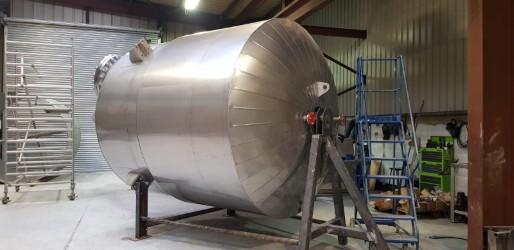
When Do Commercial Tanks and Vessels Need Insulation?
Industrial tank insulation is used where a tank or vessel needs help controlling heat transfer, maintaining a required temperature,…
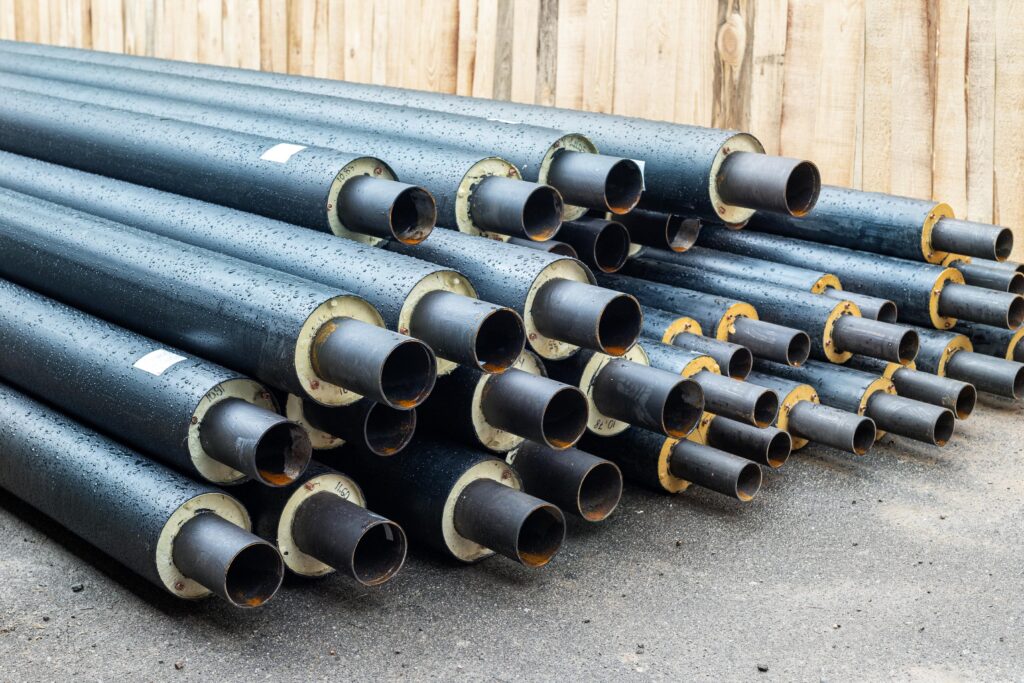
Pipe Insulation Standards: What Should a Compliant Contractor Provide?
Pipe insulation standards are not only about choosing a material and wrapping a pipe. On commercial and industrial projects,…
How Poor Pipework Insulation Increases Heat Loss and Energy Costs
Pipework carries heated water, steam and other fluids throughout commercial and industrial buildings. When it is left bare, inadequately…
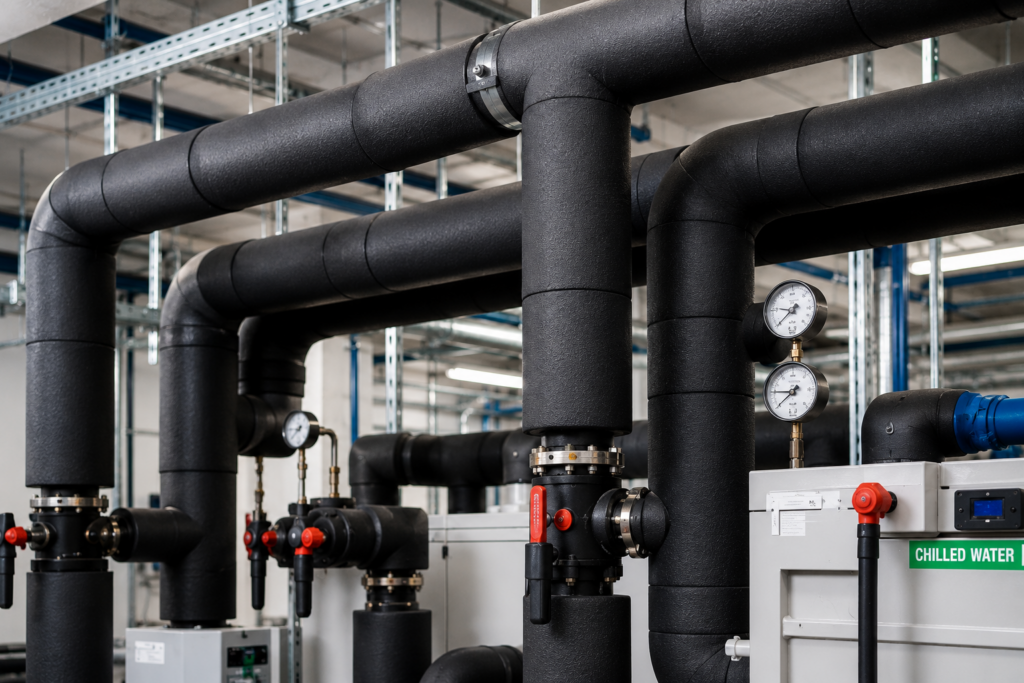
Where Is Acoustic Insulation Most Needed in Commercial and Industrial Building Services?
Unwanted noise is a common challenge in commercial and industrial buildings, affecting everything from occupant comfort and productivity to…
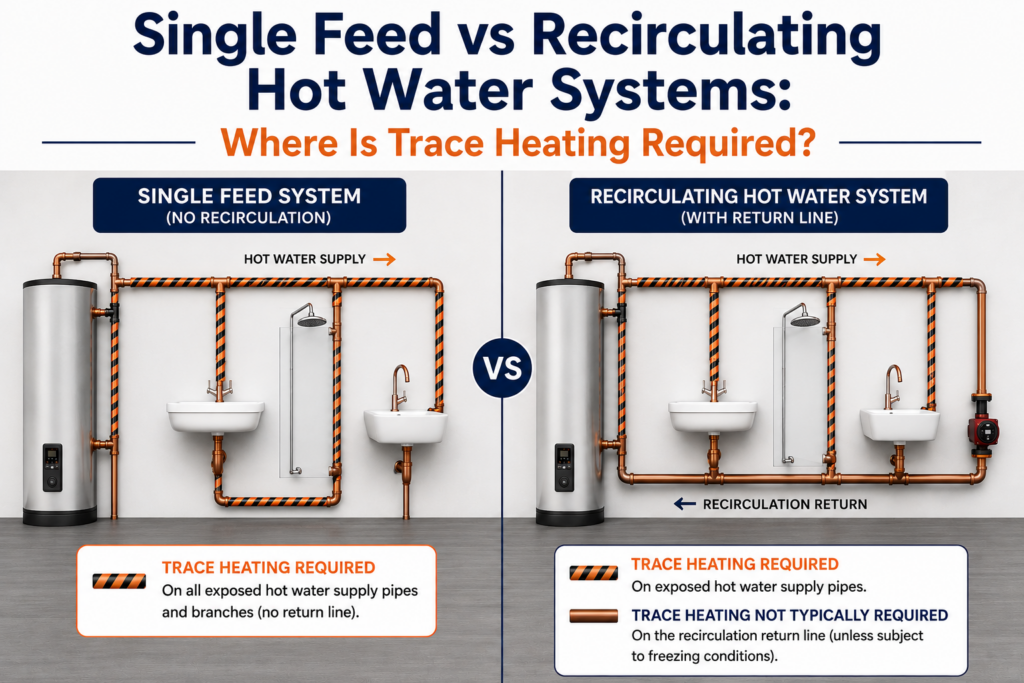
Single Feed vs Recirculating Hot Water Systems: Where Is Trace Heating Required?
Hot water systems are a vital part of commercial and industrial buildings, particularly where fast delivery, temperature control, and…
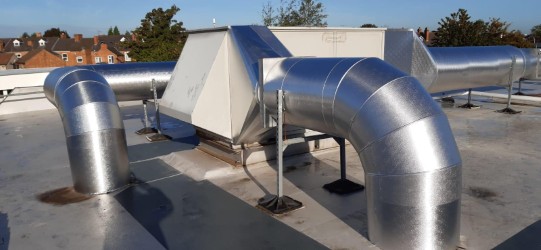
When Should You Use Weatherproof Jacketing on External Pipework and Ductwork?
External pipework and ductwork are constantly exposed to harsh environmental conditions, including freezing temperatures and heavy rain, as well…
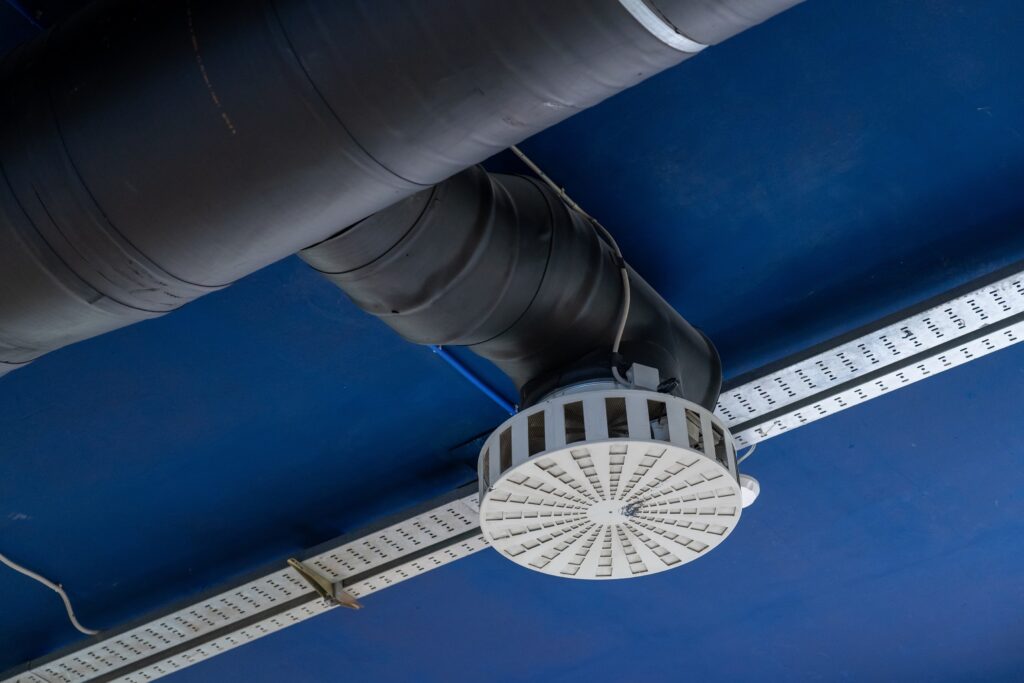
Black and Colour-Finished Insulation Systems for Exposed HVAC Services
Modern commercial and industrial buildings increasingly leave ductwork and pipes exposed as part of the architectural concept. In offices,…
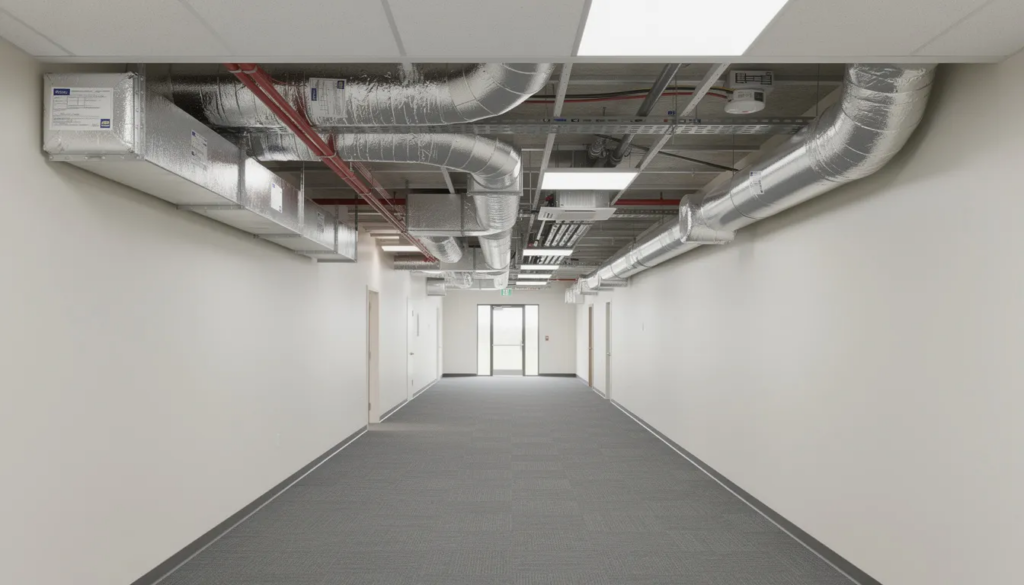
Insulation Solutions for Exposed Pipework and Ductwork in Commercial Interiors
In commercial and industrial buildings, exposed pipework and ductwork form a critical part of the mechanical infrastructure that supports…

Insulating Exposed Ductwork: Options, Aesthetics, and Performance
Key Takeaways This guide outlines the main insulation methods, planning considerations, and aesthetic requirements raised by facilities managers, contractors,…
Commercial Building Services Insulation: Reducing Energy Loss, Carbon Emissions and Costs
In commercial buildings, a significant amount of energy loss occurs through mechanical and HVAC services rather than the building…