

What Is Trace Heating? A Complete Guide to Trace Heating Systems, Heating Cables, and Service Pipework Protection
- What Is Trace Heating?
- How Electric Trace Heating Works
- Components of a Heat Trace System
- Types of Heating Cables
- Trace Heating Applications
- Temperature Maintenance & Process Temperature Maintenance
- Freeze Protection & Frost Protection
- Pairing Trace Heating With Service Insulation
- Corrosion Under Insulation (CUI) – Client’s Exact Method
- Energy Efficiency, Power Output & Cost Savings
- Designing Trace Heating Systems
- Industrial Applications
- Frequently Asked Questions
Trace heating plays a crucial role in keeping industrial and commercial services operational in cold or fluctuating conditions. If you’ve ever wondered what trace heating is, how heating cables work, or why modern facilities rely on trace heating systems for process temperature maintenance, frost protection, and energy efficiency, this complete guide breaks everything down.
At Thermal Clad, we specialise in electric trace heating installations for service pipework, ductwork, tanks, and vessels, ensuring clients can maintain temperature, prevent freezing, and achieve reliable temperature maintenance without unnecessary heat loss. Importantly, we focus exclusively on insulating services—never building fabric such as roofs, floors, or walls.
This guide answers the most common questions about trace heating applications, explores different heating element types, explains how a heat trace system works, and outlines how proper service insulation supports heat output and long-term efficiency.
What Is Trace Heating?
Trace heating—also called heat trace—is a method of applying controllable heat along the entire length of a pipe, duct, tank, or vessel using specialised heating cables. When people ask what trace heating is, the simplest answer is:
Trace heating is an electrical surface heating system that uses heating cables to maintain temperature or prevent freezing on industrial services.
A full heat trace system includes control equipment, bus wires, heating elements, and service insulation to keep heat where it’s needed. These systems are essential for maintaining process temperatures, protecting equipment, and preventing operational disruption.
How Electric Trace Heating Works
Electric trace heating works by converting electrical energy into heat output via a heating element inside the cable. These heating cables run along pipes or vessels and deliver heat directly to the surface.
Thermostats and control systems regulate temperature, allowing operators to maintain process temperatures accurately. Self-regulating trace heating adjusts automatically based on ambient temperature, making it efficient, safe, and reliable across various applications.
Components of a Heat Trace System
A heat trace system includes:
Heating Cables
The core component delivers heat along pipes, ducts, or tanks. Heating cables maintain temperature and assist with freeze protection.
Service Insulation (NOT building fabric)
Insulation reduces heat loss and keeps heat output efficient. Thermal Clad applies insulation ONLY to services such as pipes, tanks, vessels, and ductwork.
Control Systems
Thermostats, sensors, and control panels manage temperature maintenance and power output.
Bus Wires & Power Connections
Distribute power safely throughout the system.
Heating Elements
Found inside the heating cables, the heating element generates consistent heat.
Types of Heating Cables
Self-Regulating Heating Cables
Self-regulating heating cables adjust heat output automatically according to ambient temperature. This means:
- Higher heat output in cold conditions
- Lower power in warmer conditions
- Increased safety in hazardous environments
- Minimal maintenance over time
Self-regulating heating element technology reduces overheating risk and supports energy efficiency.
Constant Wattage Heating Cables
Constant wattage heating cables deliver fixed, uniform power across the entire length of the cable. These cables offer:
- Consistent heat output
- Suitable for stable temperature applications
- Controlled temperature maintenance
- Reliable industrial performance
Both cable types are used in heat trace systems, depending on the application.
Trace Heating Applications
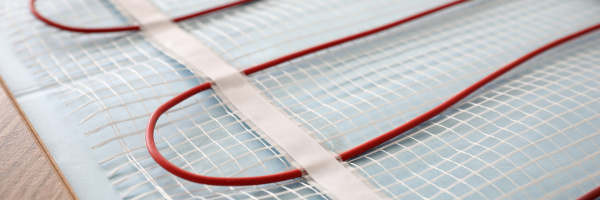
Trace heating applications include:
- Service pipework
- Industrial ductwork
- Tanks and vessels
- Water pipes and chilled-water services
- Fuel and oil pipelines
- Chemical process equipment
- Power generation plant equipment
- Sprinkler systems
- Pump lines and other equipment
While trace heating is sometimes used in residential buildings for gutter de-icing or roof applications, Thermal Clad does NOT work on building fabric insulation or building heat trace installations. We focus exclusively on industrial and commercial service insulation and trace heating work.
Temperature Maintenance & Process Temperature Maintenance
Trace heating systems support temperature maintenance across long pipe runs. This ensures fluids do not thicken, freeze, or slow in cold conditions.
Key benefits:
- Consistent temperature
- Smooth flow
- Stable process temperatures
- Prevention of flow issues
- Protection from equipment damage
Process temperature maintenance is especially crucial in oil, chemical, and power generation environments.
Freeze Protection & Frost Protection
One of the most common uses of a heat trace system is freeze protection. Trace heating prevents water pipes from freezing, stopping equipment damage and reducing downtime.
Trace heating helps:
- Prevent freezing
- Prevent pipes from bursting
- Maintain flow in freezing conditions
- Prevent water pipes from icing up
- Maintain temperature during cold snaps
Frost protection keeps services safe and functional, even during snow, ice, and extreme temperature changes.
Pairing Trace Heating With Service Insulation
Insulation plays a crucial role in retaining heat generated by the heating element. At Thermal Clad, insulation is applied only to services, such as:
- Pipework
- Ductwork
- Tanks
- Vessels
NOT to building surfaces such as:
- Roofs
- Floors
- Walls
Service insulation reduces heat loss and improves system energy efficiency. It enables heating cables to maintain temperature without excessive power output.
Corrosion Under Insulation (CUI) – Client’s Exact Method
CUI occurs when moisture becomes trapped between insulation and stainless-steel surfaces. Many online guides suggest painting pipework before insulating, but Thermal Clad does NOT paint or coat pipework.
Our accurate CUI prevention method:
We wrap stainless-steel pipes or vessels with aluminium foil before insulating.
This acts as a moisture barrier and protects the metal surface without the need for painting.
This simple method dramatically reduces CUI risk and maintains long-term equipment integrity.
Energy Efficiency, Power Output & Cost Savings
Self-regulating heating cables are designed for energy efficiency. Because they adjust output automatically, they reduce overall energy use and running costs.
Benefits include:
- Lower energy bills
- Reduced heat loss
- Improved temperature control
- Minimal maintenance
- Cost-effective long-term operation
A typical heating cable uses between 10 and 30 watts per metre, depending on voltage, application, and ambient temperature.
Designing Trace Heating Systems
A well-designed trace heating system considers:
- Pipe length
- Voltage
- Heat loss calculations
- Required heat output
- Ambient temperature
- Fluid type
- Process temperatures
- Suitability for hazardous environments
Qualified installation ensures safe operation, reduced safety risks, and optimal control over temperature maintenance.
Industrial Applications
Trace heating is common across various industrial sectors:
- Power generation
- Oil and fuel systems
- Chemical processing
- Water treatment
- Food manufacturing
- Cold storage
- Mechanical process lines
These industrial applications benefit from reliable surface heating, freeze protection, and process stability.
Frequently Asked Questions
Expert Guides
Our goal at Thermal Clad is to not only provide our customers with the finest service possible but also to keep them informed about new products and industry trends.
Please feel free to check out some of our expert insulation guides below:
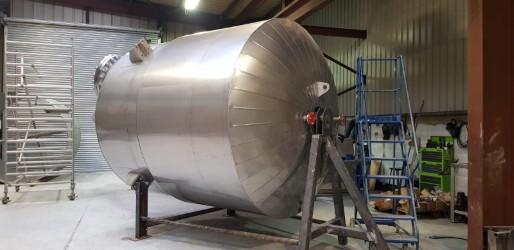
When Do Commercial Tanks and Vessels Need Insulation?
Industrial tank insulation is used where a tank or vessel needs help controlling heat transfer, maintaining a required temperature,…
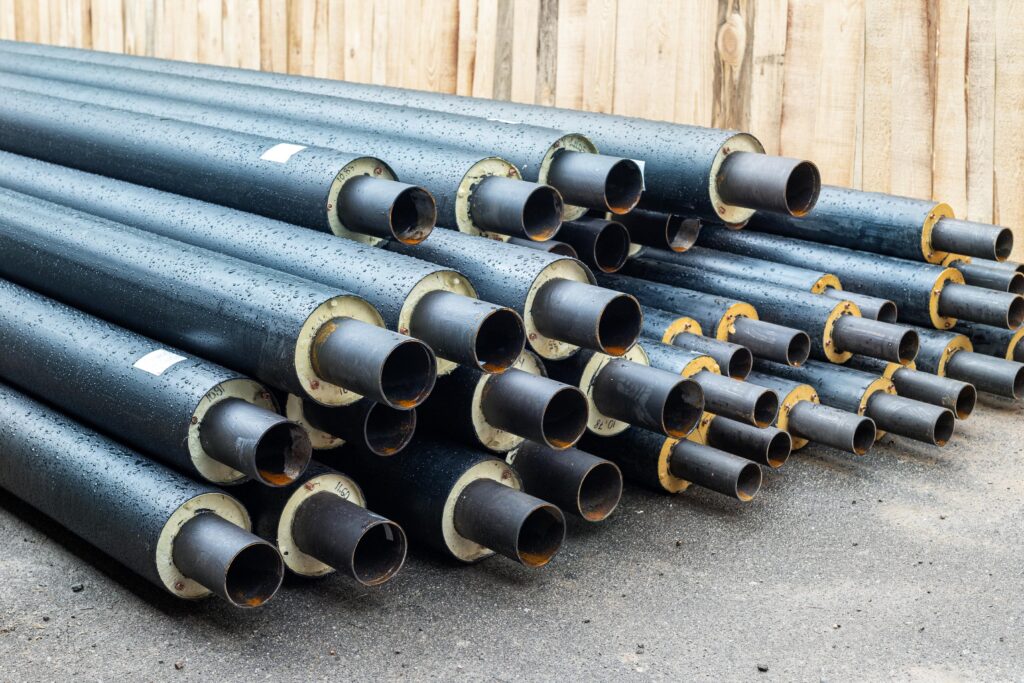
Pipe Insulation Standards: What Should a Compliant Contractor Provide?
Pipe insulation standards are not only about choosing a material and wrapping a pipe. On commercial and industrial projects,…
How Poor Pipework Insulation Increases Heat Loss and Energy Costs
Pipework carries heated water, steam and other fluids throughout commercial and industrial buildings. When it is left bare, inadequately…
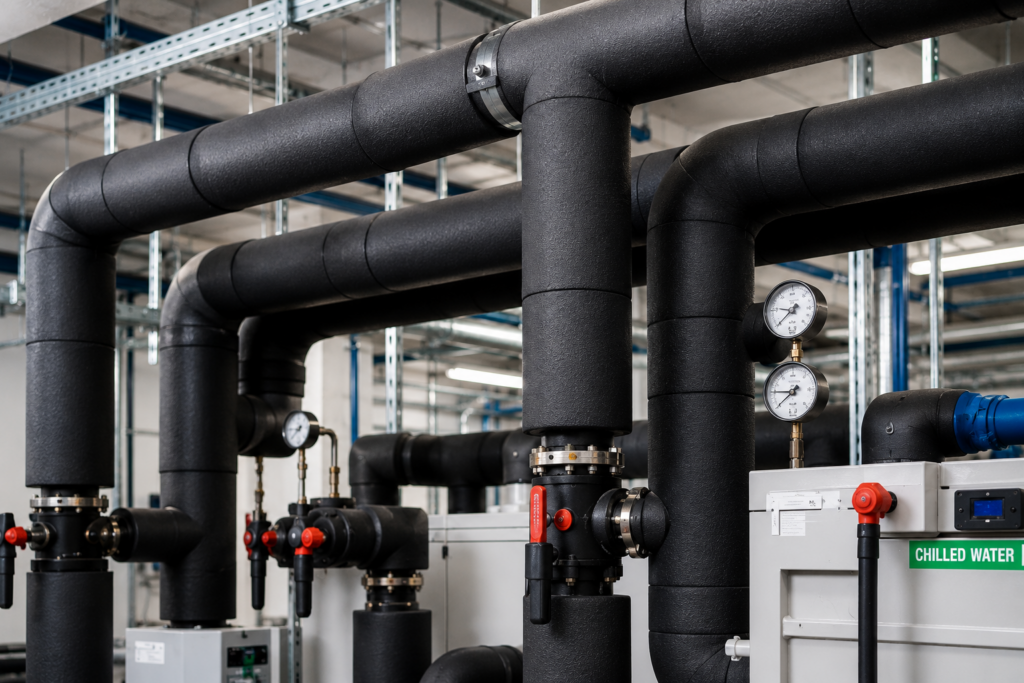
Where Is Acoustic Insulation Most Needed in Commercial and Industrial Building Services?
Unwanted noise is a common challenge in commercial and industrial buildings, affecting everything from occupant comfort and productivity to…
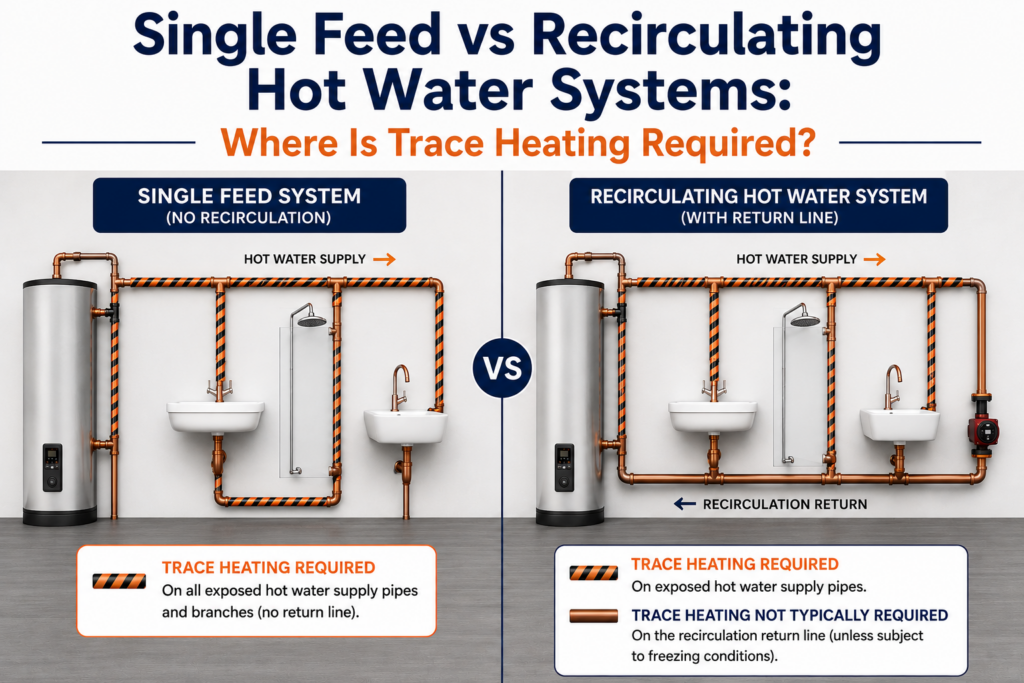
Single Feed vs Recirculating Hot Water Systems: Where Is Trace Heating Required?
Hot water systems are a vital part of commercial and industrial buildings, particularly where fast delivery, temperature control, and…
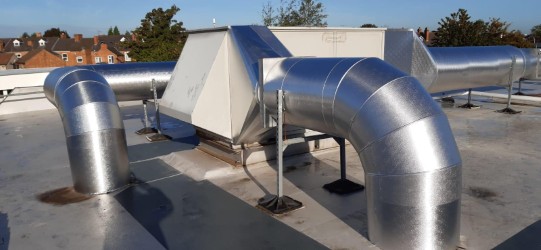
When Should You Use Weatherproof Jacketing on External Pipework and Ductwork?
External pipework and ductwork are constantly exposed to harsh environmental conditions, including freezing temperatures and heavy rain, as well…
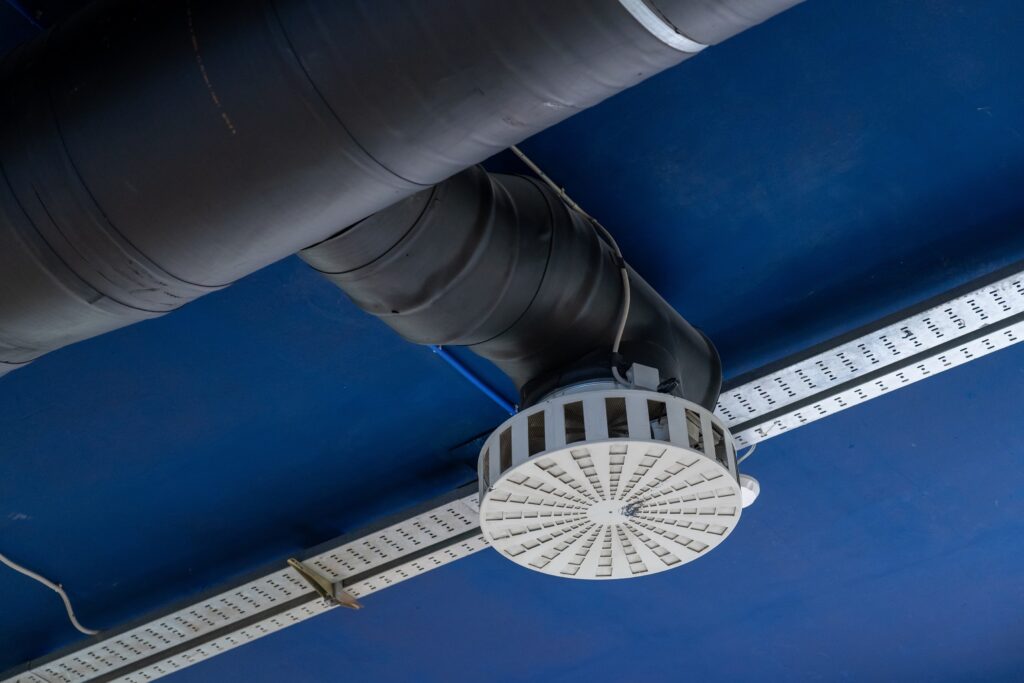
Black and Colour-Finished Insulation Systems for Exposed HVAC Services
Modern commercial and industrial buildings increasingly leave ductwork and pipes exposed as part of the architectural concept. In offices,…
Insulation Solutions for Exposed Pipework and Ductwork in Commercial Interiors
In commercial and industrial buildings, exposed pipework and ductwork form a critical part of the mechanical infrastructure that supports…

Insulating Exposed Ductwork: Options, Aesthetics, and Performance
Key Takeaways This guide outlines the main insulation methods, planning considerations, and aesthetic requirements raised by facilities managers, contractors,…
Commercial Building Services Insulation: Reducing Energy Loss, Carbon Emissions and Costs
In commercial buildings, a significant amount of energy loss occurs through mechanical and HVAC services rather than the building…