

Insulation Solutions for Exposed Pipework and Ductwork in Commercial Interiors
- The Role of Insulation in Energy Efficiency and System Performance
- Managing Heat Loss from Heating and Domestic Hot Water Systems
- Controlling Heat Gain and Condensation in Chilled Water Systems
- Ductwork Insulation and Ventilation Performance
- Selection of Insulation Materials for Pipes and Ducts
- Protection of External Pipework and Ductwork
- Installation Standards and Long-Term Performance
- Why Choose Thermal Clad
- Frequently Asked Questions
In commercial and industrial buildings, exposed pipework and ductwork form a critical part of the mechanical infrastructure that supports heating, cooling and ventilation systems. These services frequently run through plant rooms, service risers, ceiling voids, rooftop compounds and car parks where they are outside conditioned spaces and exposed to fluctuating ambient temperatures. Without properly specified and professionally installed insulation, these systems are vulnerable to heat loss, condensation, energy waste and long-term performance degradation.
Insulation for exposed pipework and ductwork is not simply a finishing detail. It is a fundamental requirement for improving energy efficiency, protecting assets, maintaining temperature control and ensuring compliance with UK regulations such as Building Regulations Part L and BS 5422. When thermal insulation is designed and installed correctly, it directly contributes to reduced operating costs, improved HVAC system stability, and lower carbon emissions throughout the building lifecycle.
The Role of Insulation in Energy Efficiency and System Performance
Mechanical services distribute heated water, chilled water and conditioned air throughout a building. As water flows through pipes and air travels through ductwork, there is constant potential for unwanted heat transfer between the service and the surrounding environment. In unheated areas, hot pipes lose energy to colder air. In warm plant rooms or rooftop enclosures, chilled water pipes absorb heat from the environment. Ventilation ducts carrying conditioned air can experience temperature drift before the air reaches occupied spaces.
Thermal insulation reduces this unwanted transfer. By limiting heat loss and heat gain, insulation helps HVAC systems operate closer to their design parameters. Boilers, chillers and air handling units cycle less frequently and run more efficiently. This directly improves energy efficiency and reduces energy loss across distribution networks.
In many commercial buildings, poorly insulated pipes and ductwork account for a measurable proportion of wasted energy. Studies show that effective insulation can reduce energy waste by 30 to 40 per cent in underperforming systems, with heating cost savings of around 20 per cent depending on operating patterns. For industrial facilities operating continuously, these improvements can have a significant impact on long-term operating costs.
Managing Heat Loss from Heating and Domestic Hot Water Systems
Heating and domestic hot water systems are particularly vulnerable when pipework is routed through unheated plant rooms, basements or service corridors. Without adequate pipe insulation, heat dissipates from the surface of pipes into the surrounding air, forcing boilers or heat pumps to work harder to maintain water temperature.
Insulating these pipes acts as a thermal barrier that preserves the required temperature range across the system. This ensures that water arriving at terminal units, fan coil units or calorifiers remains within specification. Reduced heat loss lowers fuel consumption, shortens recovery times and contributes to overall building energy efficiency.
In addition to reducing energy loss, pipe insulation protects against freezing in exposed or semi-external areas. When water in pipes freezes, expansion can cause pipe failure and extensive water damage. Appropriately designed insulation systems mitigate this risk by maintaining surface temperatures above critical thresholds during low ambient conditions.
Controlling Heat Gain and Condensation in Chilled Water Systems
Chilled water systems introduce a different challenge. When cold pipes operate in environments where ambient air contains moisture, condensation becomes a major concern. If pipe surface temperatures fall below the dew point, water vapour condenses and forms droplets. Over time, this can lead to corrosion under insulation, degradation of adjacent materials and hygiene issues.
Closed-cell elastomeric foam is widely used in these applications because of its integrated vapour resistance and flexibility around complex pipe layouts. When properly installed with sealed joints and continuous vapour barriers, it prevents warm, moist air from reaching the cold pipe surface.
In situations where stainless-steel pipework or vessels are present, corrosion risk must be managed carefully. Rather than relying on protective paint systems, Thermal Clad mitigates corrosion under insulation by pre-wrapping stainless-steel surfaces with aluminium foil before applying insulation. This provides a separation layer that reduces moisture interaction while maintaining a clean and compliant installation approach.
Maintaining vapour integrity throughout the installation is essential. Even small gaps or poorly sealed joints can allow moisture ingress, undermining the performance of the entire system.
Ductwork Insulation and Ventilation Performance
Ductwork insulation plays a central role in the performance of ventilation and air conditioning systems. Ventilation ducts distribute conditioned air from air handling units to occupied zones, and any temperature fluctuation during this journey reduces overall system efficiency.
Duct insulation stabilises the temperature of air within the ductwork, ensuring that heated air remains warm and cooled air remains within specification. This reduces the need for reheating or additional cooling at terminal units and helps HVAC systems maintain balanced airflow and consistent environmental conditions.
Ventilation duct insulation also protects indoor air quality. When cold ducts pass through humid areas without adequate insulation, condensation can develop on internal or external surfaces. Persistent moisture creates conditions where mould and fungi can develop, compromising air hygiene and increasing maintenance costs.
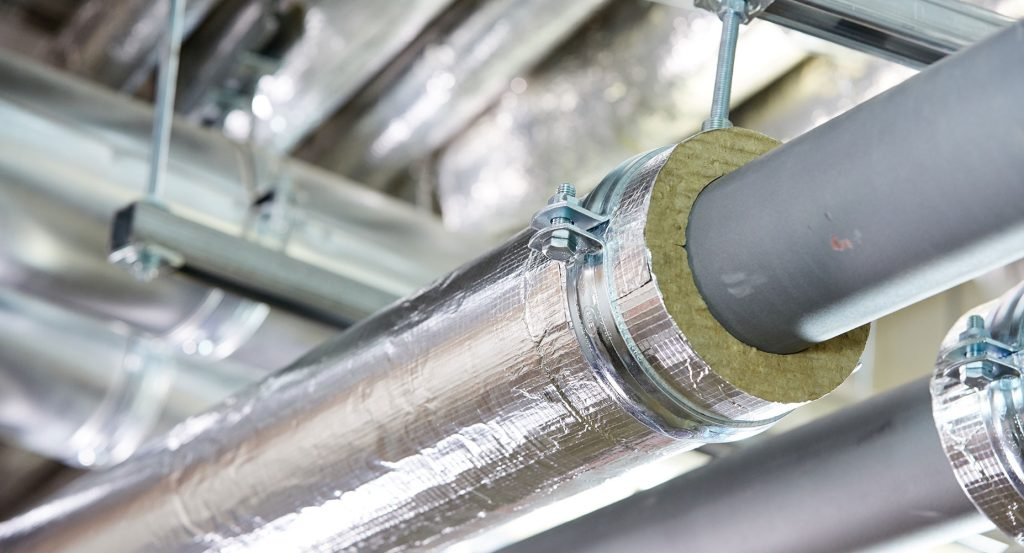
Common materials used for ductwork insulation include mineral wool ductwrap, foil-faced ductwrap systems and elastomeric foam. Foil-faced mineral wool ductwraps are flexible and lightweight, making them suitable for wrapping metal ducts while providing both thermal and acoustic benefits. Fibreglass duct wrap is also used for its sound attenuation properties, which help reduce noise transmission within HVAC systems.
Internal ductwork located in ceiling voids must be insulated to limit distribution losses and comply with Part L guidance. External ducting requires additional weatherproof cladding to protect insulation from water ingress and mechanical damage.
Selection of Insulation Materials for Pipes and Ducts
Selecting suitable insulation materials depends on operating temperature, pipe diameters, environmental exposure, fire performance requirements and system application.
Closed-cell elastomeric foam is commonly specified for chilled water pipes and ventilation ducts due to its vapour resistance and flexibility. Mineral wool pipe sections are widely used for heating and hot water systems where higher temperature resistance and non-combustible performance are required. Phenolic and PIR insulation materials provide high thermal resistance in thinner profiles, making them appropriate where space constraints exist around larger pipe diameters.
For ductwork insulation, mineral wool and fibreglass systems provide reliable thermal performance across a broad temperature range. The correct thickness should be determined in accordance with BS 5422 calculations, taking into account ambient conditions and service temperatures rather than relying on generic R-values.
All insulation systems must be installed in accordance with manufacturer guidance and relevant British Standards to achieve declared performance levels.
Protection of External Pipework and Ductwork
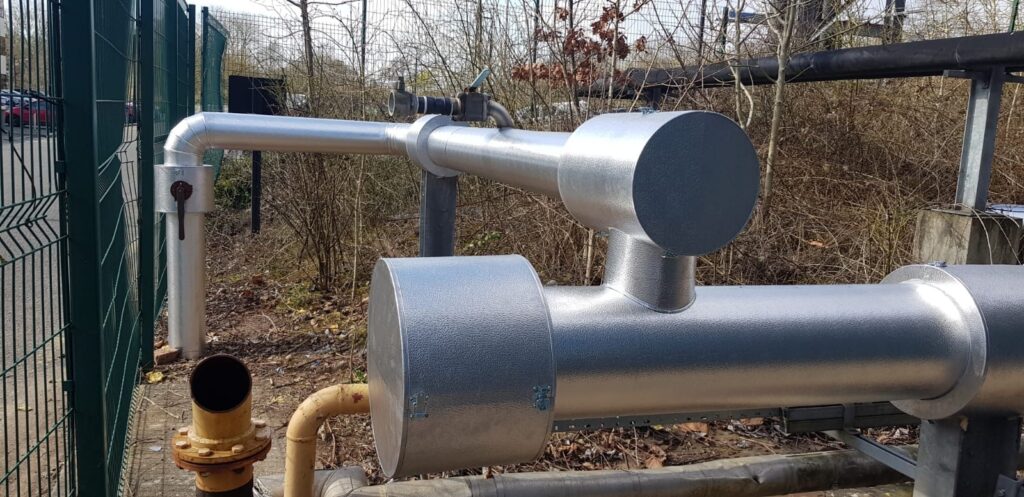
Where pipes and ducts are exposed externally, insulation alone is insufficient to provide long-term durability. Weatherproof cladding systems protect insulation from rain, UV exposure and impact damage.
Aluminium and stainless-steel cladding are commonly used to encase insulated pipes and ducts on rooftops and external plant areas. Proper detailing at joints, supports,s and terminations prevents water penetration and preserves thermal performance.
Without adequate protection, water saturation can significantly reduce insulation effectiveness and increase corrosion risk. Professional installation ensures cladding systems are correctly formed, fixed and sealed to maintain integrity over time.
Installation Standards and Long-Term Performance
The performance of thermal insulation depends not only on material selection but also on workmanship. Insulating pipes and ducts requires careful sequencing, accurate cutting, secure fixing and consistent sealing of joints.
Supports should incorporate load-bearing inserts where required to prevent compression of insulation materials. Vapour barriers on chilled systems must remain continuous across seams, penetrations and terminations. Duct insulation must be fitted tightly without gaps that allow uncontrolled air movement.
Regular inspection and maintenance help ensure long-term reliability. Damaged or saturated insulation should be replaced promptly to maintain energy efficiency and system protection.
Why Choose Thermal Clad
At Thermal Clad, we specialise in mechanical insulation for pipework, ductwork and associated plant across commercial and industrial projects throughout the UK. We work alongside M&E contractors and consultants to install compliant thermal insulation and cladding systems that improve energy efficiency, reduce heat loss and protect building services.
Our teams deliver insulation for heating, chilled water and service pipes, together with internal and external ductwork. We also install aluminium and stainless-steel cladding for long-term weather protection, and where stainless-steel pipework is present, we pre-wrap with aluminium foil to mitigate corrosion under insulation.
If you require a specialist contractor for exposed pipework and ductwork insulation, contact Thermal Clad to discuss your project requirements.
Frequently Asked Questions
Expert Guides
Our goal at Thermal Clad is to not only provide our customers with the finest service possible but also to keep them informed about new products and industry trends.
Please feel free to check out some of our expert insulation guides below:
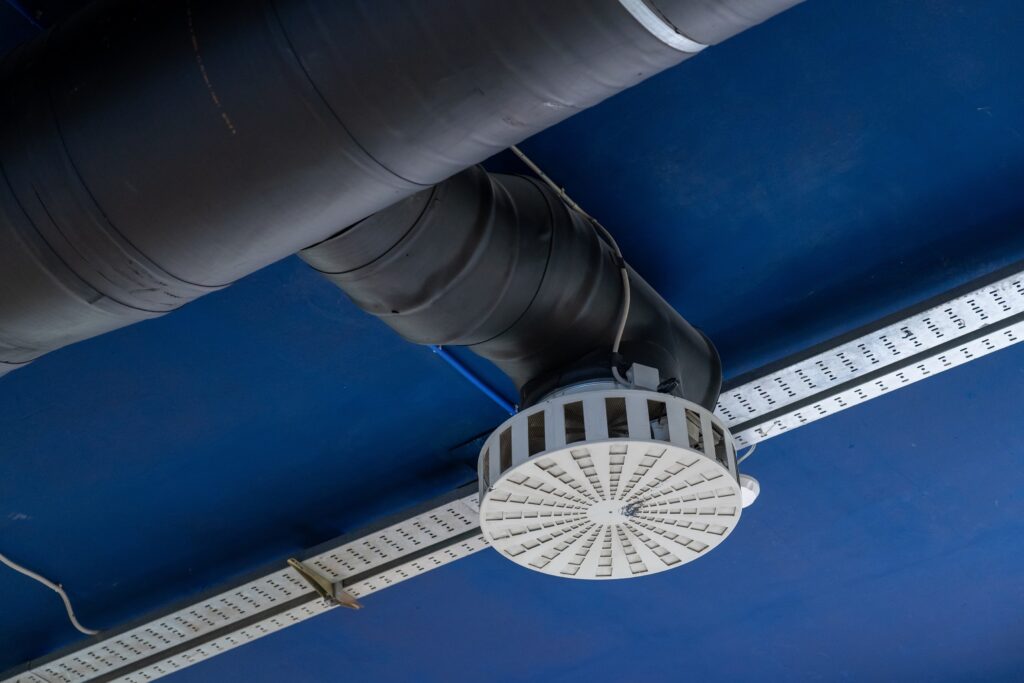
Black and Colour-Finished Insulation Systems for Exposed HVAC Services
Modern commercial and industrial buildings increasingly leave ductwork and pipes exposed as part of the architectural concept. In offices,…
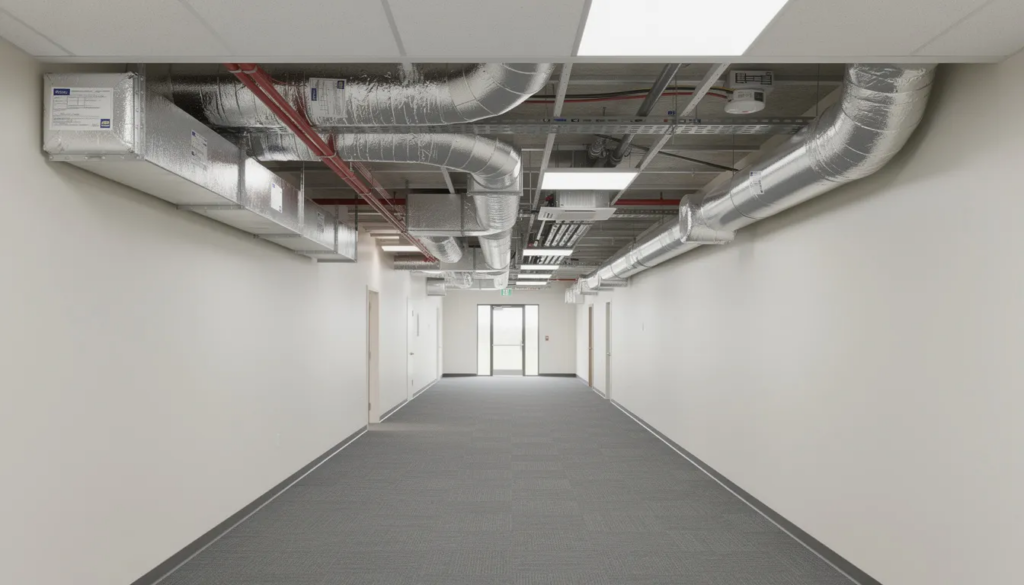
Insulation Solutions for Exposed Pipework and Ductwork in Commercial Interiors
In commercial and industrial buildings, exposed pipework and ductwork form a critical part of the mechanical infrastructure that supports…

Insulating Exposed Ductwork: Options, Aesthetics, and Performance
Key Takeaways This guide outlines the main insulation methods, planning considerations, and aesthetic requirements raised by facilities managers, contractors,…
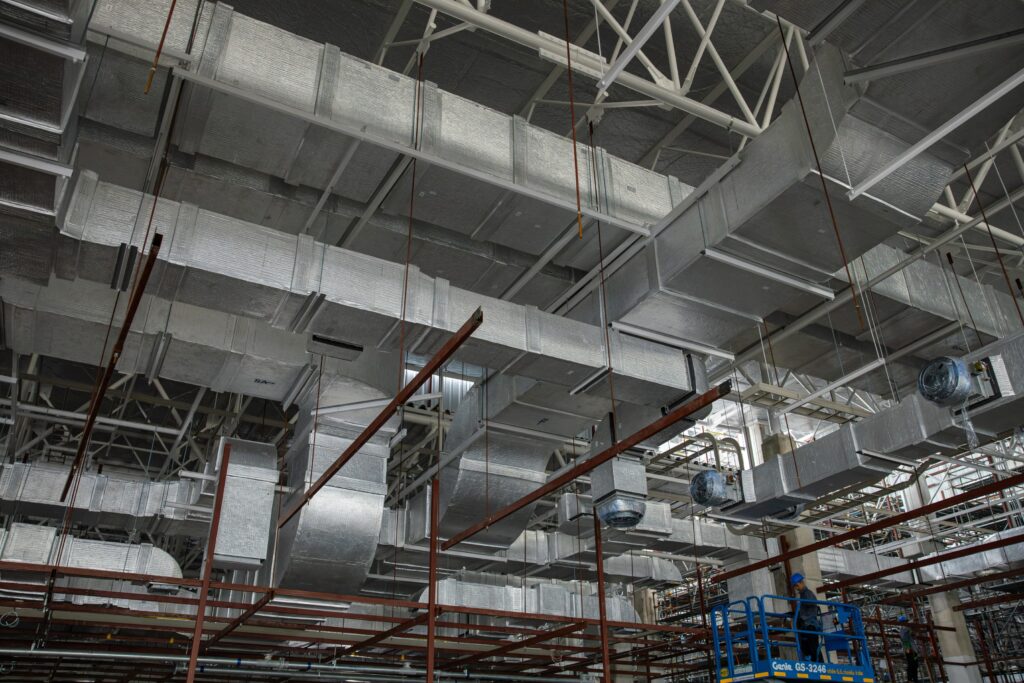
Commercial Building Services Insulation: Reducing Energy Loss, Carbon Emissions and Costs
In commercial buildings, a significant amount of energy loss occurs through mechanical and HVAC services rather than the building…
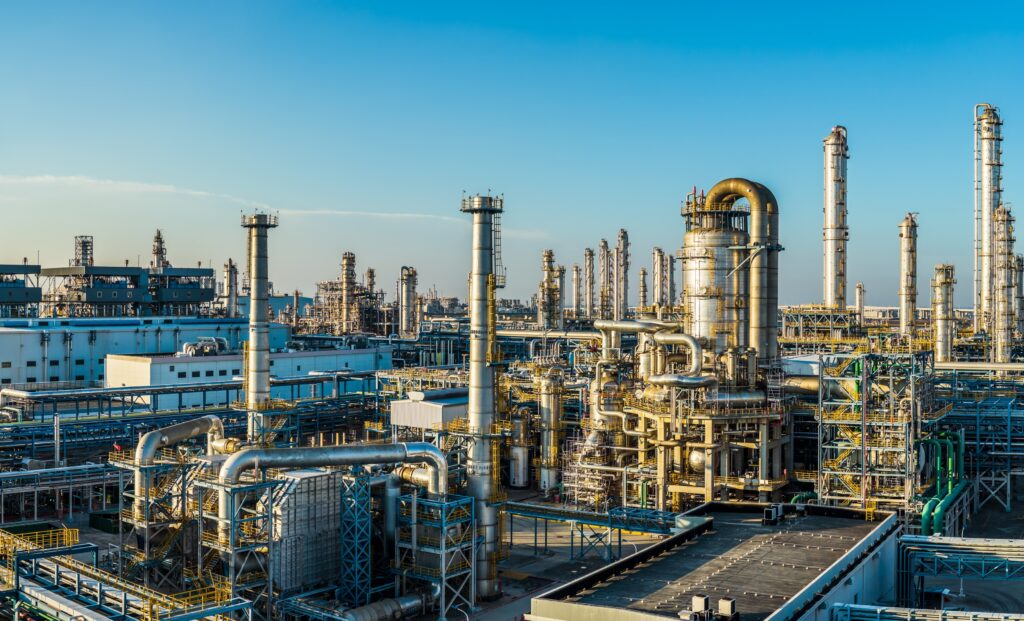
How to Prevent Condensation and Corrosion Under Insulation (CUI)
Corrosion Under Insulation (CUI) is a well-recognised issue in industrial environments and continues to be a cause of unplanned…
Sustainable Insulation: Reducing Carbon in Building Services
Sustainable insulation materials are an important part of reducing carbon emissions within modern building services. Mechanical and electrical systems…

What Is Trace Heating? A Complete Guide to Trace Heating Systems, Heating Cables, and Service Pipework Protection
Trace heating plays a crucial role in keeping industrial and commercial services operational in cold or fluctuating conditions. If…
BS 5422 Explained – Insulation Thickness Standards for Energy Efficiency & Compliance
At Thermal-Clad, we’re often asked how to make sure pipework insulation meets the latest standards while delivering the best…

Thermal Insulation Types for the Industrial Sector
Thermal insulation is essential in industrial construction, reducing energy consumption, improving workplace comfort, and protecting buildings and equipment from…

Cladding In Construction: What It Is And Its Purpose?
Cladding in construction refers to the process of covering insulated pipework, ducting, and vessels with a new layer of…