

4 Types of Materials Used in Thermal Insulation
The importance of choosing the right material for thermal insulation
Thermal insulation is the reduction of the transfer of heat between objects in thermal contact or within the range of radiative influence. Thermal insulation can be accomplished by the use of specially engineered methods or processes, and by using appropriate object shapes and materials. Simply put, it relates to the various ways we try to prevent heat from transferring from one material to another.
Why is thermal insulation so important?
The benefits of thermal insulation are clear. It reduces energy consumption – and therefore costs – in addition to offering increased fire protection, preventing condensation, reducing moisture build-up and serving as an environmentally friendly solution.
There are a variety of different materials available to choose from when installing thermal insulation. It all depends on the type of building you have (offices, residential, warehouses, factories, etc.,) as well as your end goal and budget. It’s important to think about which type of thermal insulation materials best apply to your situation. Luckily, there are a number of great choices, each with their own benefits and drawbacks.
Types of Thermal Insulation Materials
Nitrile
Nitrile pipe insulation is manufactured from closed-cell foam that is surrounded by a flexible elastomeric jacket. Due to its closed-cell structure combined with its low thermal conductivity and an in-built vapour barrier, Nitrile products can protect pipework and ductwork installations against heat losses and condensation. This means that energy losses can be minimised on heating and hot water services whereas on cold services condensation can be easily controlled, with water vapour pressure not able to penetrate the material.
Generally, nitrile insulation, whether applied to ductwork or pipework will be manufactured as rolls, slabs and pipe sections, with differing thicknesses to suit the requirements.
Mineral wool
This refers to a number of different types of insulation, the two main choices being rock wool and glass wool. Rock wool is made from basalt, whereas glass wool is made from recycled glass and sand. Although most mineral wool insulation is not fire resistant – and therefore not suitable for areas susceptible to extreme heat, it has other benefits. For instance, it has high resistance, durability and is a popular choice when trying to insulate larger areas of space.
Fibreglass insulation
For a long time, fibreglass insulation has been an extremely common and favoured type of insulation material across many industries. Made by weaving fine strands of glass into an insulation material, its widespread use makes it quite a cost-effective option. Minimising heat transfer, fibreglass insulation is a brilliantly effective non-flammable insulation material that offers more benefits than drawbacks.
Phenolic foam
Phenolic insulation is one of the best thermal insulation materials for piping. Manufactured using a process whereby a plastic foam forms an insulating core between two flexible tissue-faced layers, it’s a unique material used in process/petrochemical applications for the insulation of pipe work, tanks and vessels. Its key benefits include great thermal performance, moisture resistance, fire performance and strength.
Expert Guides
Our goal at Thermal Clad is to not only provide our customers with the finest service possible but also to keep them informed about new products and industry trends.
Please feel free to check out some of our expert insulation guides below:
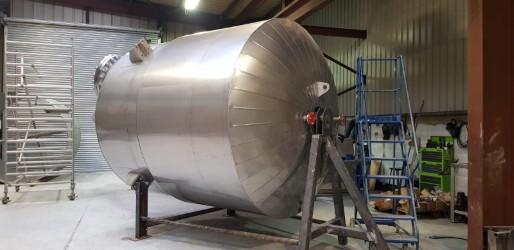
When Do Commercial Tanks and Vessels Need Insulation?
Industrial tank insulation is used where a tank or vessel needs help controlling heat transfer, maintaining a required temperature,…
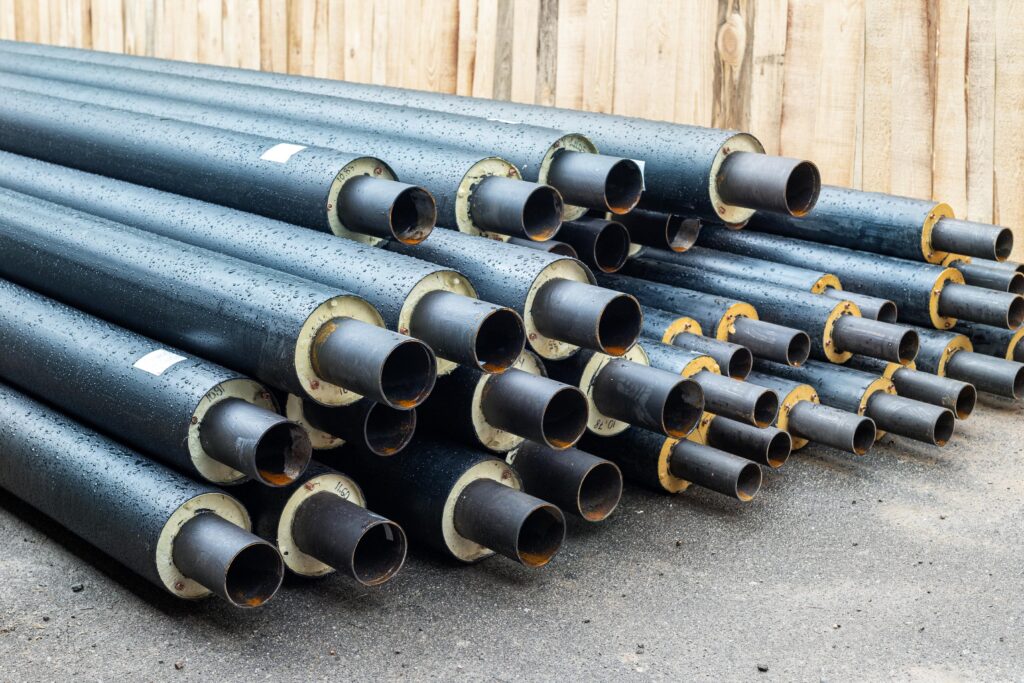
Pipe Insulation Standards: What Should a Compliant Contractor Provide?
Pipe insulation standards are not only about choosing a material and wrapping a pipe. On commercial and industrial projects,…
How Poor Pipework Insulation Increases Heat Loss and Energy Costs
Pipework carries heated water, steam and other fluids throughout commercial and industrial buildings. When it is left bare, inadequately…
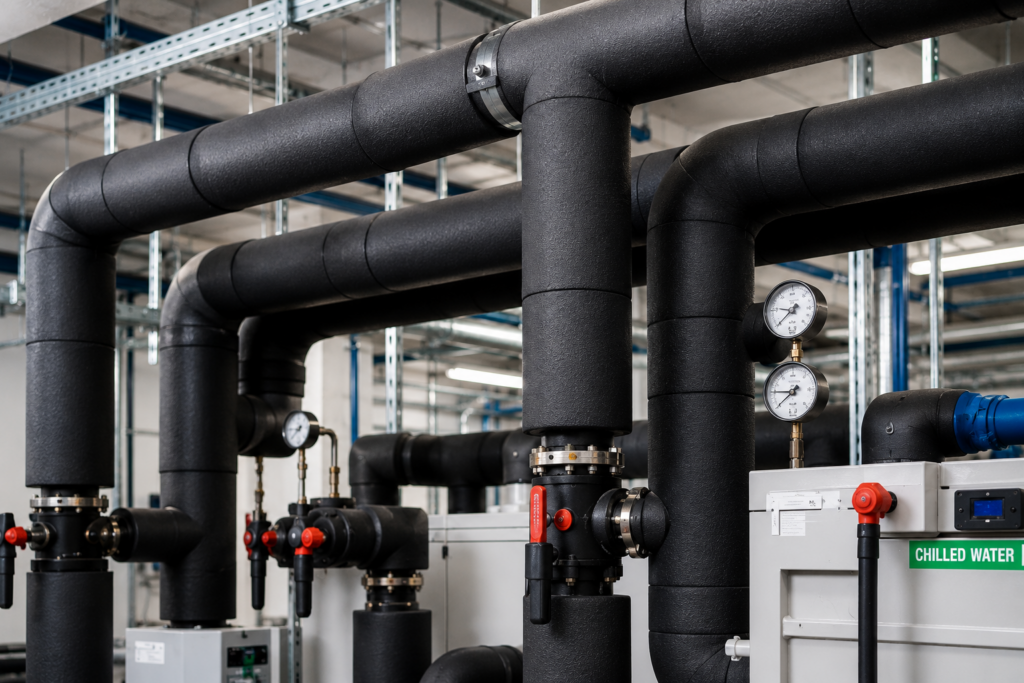
Where Is Acoustic Insulation Most Needed in Commercial and Industrial Building Services?
Unwanted noise is a common challenge in commercial and industrial buildings, affecting everything from occupant comfort and productivity to…
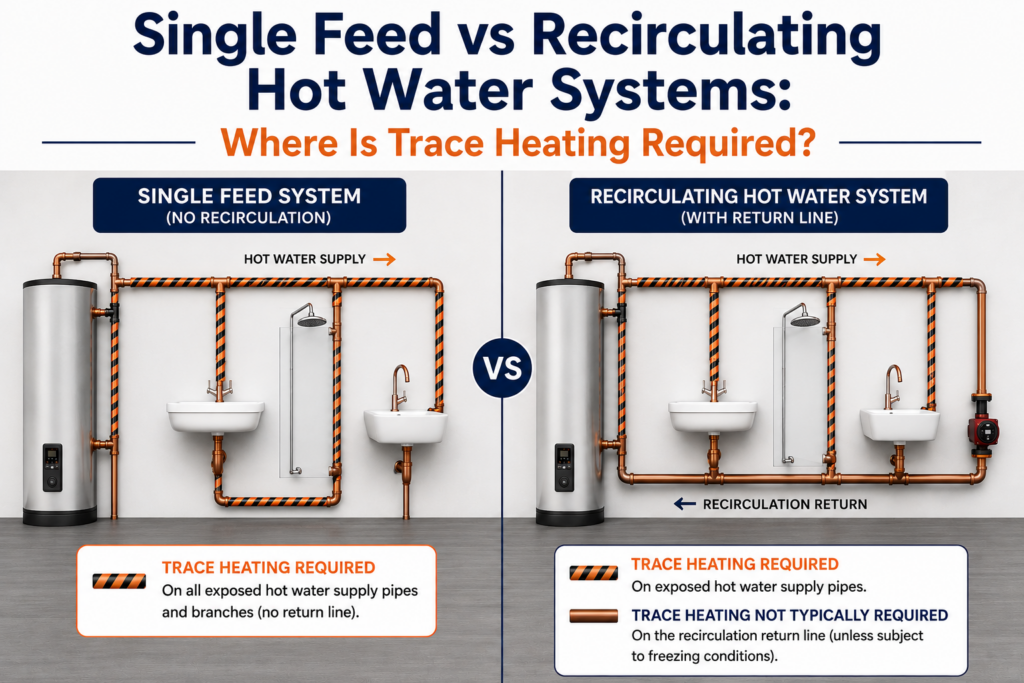
Single Feed vs Recirculating Hot Water Systems: Where Is Trace Heating Required?
Hot water systems are a vital part of commercial and industrial buildings, particularly where fast delivery, temperature control, and…
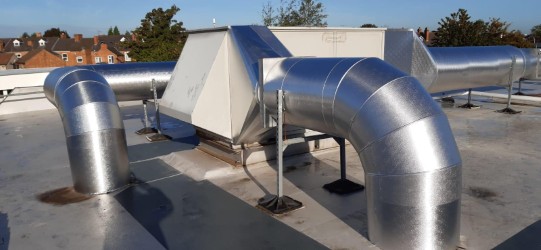
When Should You Use Weatherproof Jacketing on External Pipework and Ductwork?
External pipework and ductwork are constantly exposed to harsh environmental conditions, including freezing temperatures and heavy rain, as well…
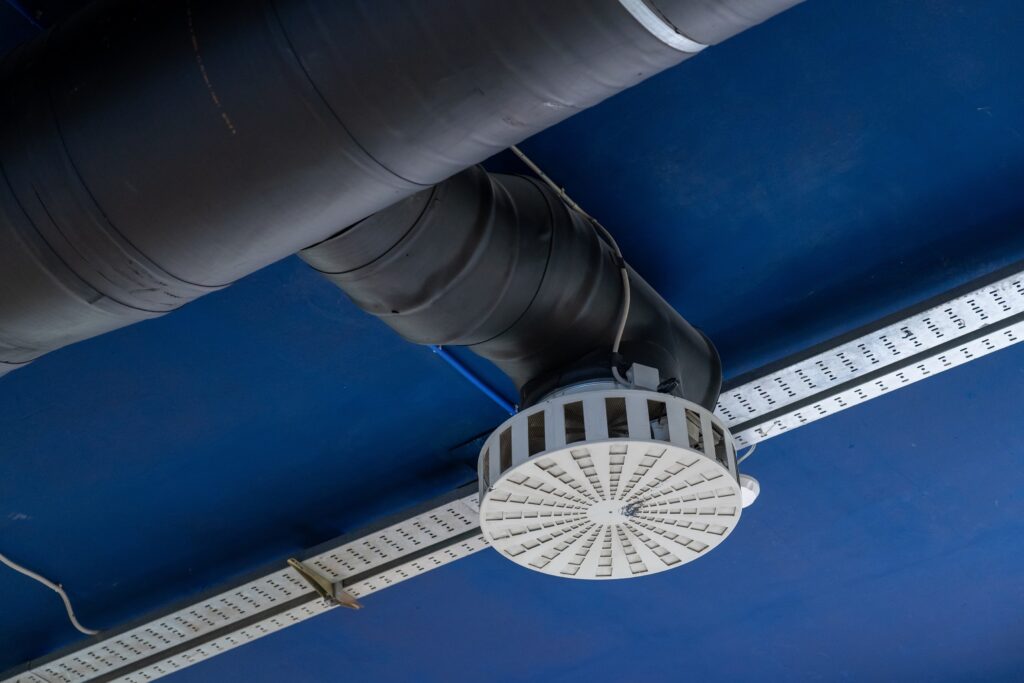
Black and Colour-Finished Insulation Systems for Exposed HVAC Services
Modern commercial and industrial buildings increasingly leave ductwork and pipes exposed as part of the architectural concept. In offices,…

Insulation Solutions for Exposed Pipework and Ductwork in Commercial Interiors
In commercial and industrial buildings, exposed pipework and ductwork form a critical part of the mechanical infrastructure that supports…

Insulating Exposed Ductwork: Options, Aesthetics, and Performance
Key Takeaways This guide outlines the main insulation methods, planning considerations, and aesthetic requirements raised by facilities managers, contractors,…
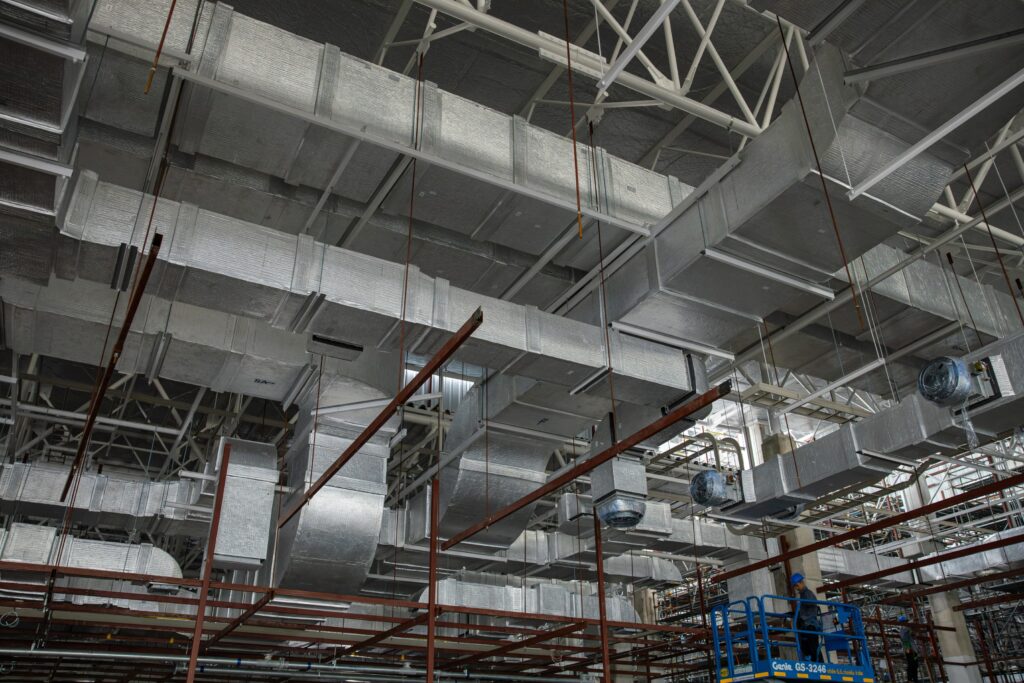
Commercial Building Services Insulation: Reducing Energy Loss, Carbon Emissions and Costs
In commercial buildings, a significant amount of energy loss occurs through mechanical and HVAC services rather than the building…