

When Should You Use Weatherproof Jacketing on External Pipework and Ductwork?
- Understanding external pipe insulation and pipe lagging
- Why protect external pipes and ductwork?
- When should weatherproof jacketing be used?
- Preventing freezing and protecting water pipes
- Reducing heat loss and improving energy efficiency
- Choosing the right materials for external pipe insulation
- Weatherproof cladding and jacketing options
- The importance of maintenance and inspection
- DIY vs professional installation
- Quick checklist: How to protect external pipe insulation
- Why choose Thermal Clad?
- Frequently Asked Questions
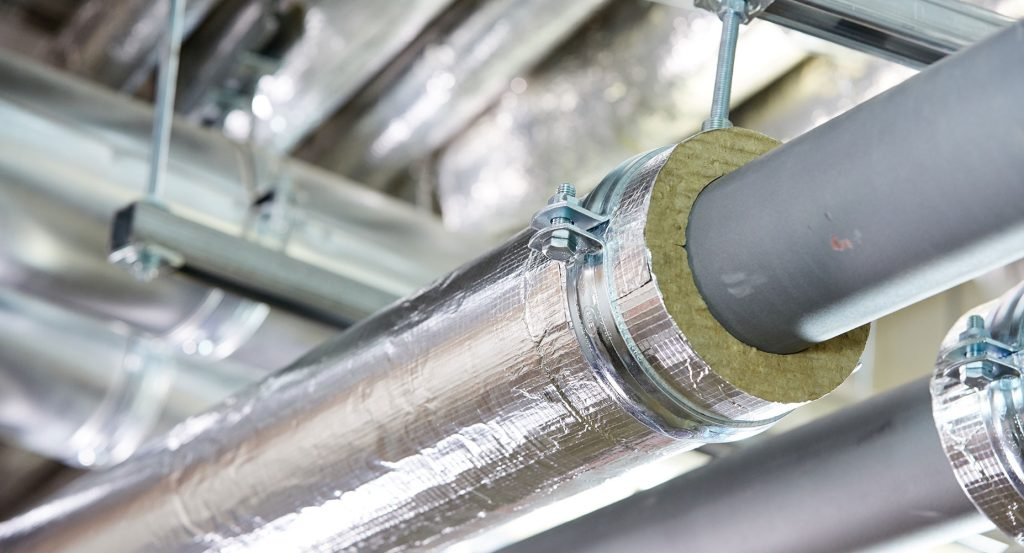
External pipework and ductwork are constantly exposed to harsh environmental conditions, including freezing temperatures and heavy rain, as well as UV rays, condensation, and mechanical damage. Without proper protection, even high-quality pipe insulation can deteriorate over time, leading to moisture ingress, heat loss, corrosion, and costly maintenance issues.
Understanding how to protect external pipe insulation is essential for maintaining energy efficiency, preserving thermal performance, and extending the lifespan of pipework systems. In many outdoor applications, weatherproof jacketing provides the additional protection needed to shield insulation from moisture, UV damage, and general environmental wear.
At Thermal Clad, we deliver professional insulation and cladding services for commercial and industrial clients across the UK. In this guide, we explain when weatherproof jacketing should be used, the best materials for external applications, and how to protect outdoor pipework and ductwork for long-term performance.
Understanding external pipe insulation and pipe lagging
External pipe insulation reduces heat loss, prevents freezing, controls condensation, and improves energy efficiency for pipework systems exposed to outdoor or unheated environments. Pipe lagging is simply another term for insulation applied around pipes.
Unlike internal systems, external pipework is exposed to rain, wind, UV rays, temperature changes, and moisture, all of which can quickly degrade standard insulation if it is not properly protected. For this reason, outdoor applications require more robust solutions than those used internally.
While pipe insulation provides thermal performance, it is not always sufficient on its own in exposed locations. Without additional protection, moisture ingress and environmental exposure can reduce effectiveness over time. These issues are why weatherproof cladding is often used alongside insulation to ensure long-term durability and performance in external conditions.
Why protect external pipes and ductwork?
Knowing how to protect external pipe insulation is essential because damaged or poorly protected insulation can quickly lose its effectiveness. When insulation becomes saturated with moisture, thermal performance drops significantly.
Wet insulation allows greater heat transfer, increases energy consumption, and accelerates corrosion beneath insulation systems. External pipework and ductwork are particularly vulnerable to:
- Freezing temperatures
- Rain and standing moisture
- UV rays and sunlight exposure
- Mechanical damage
- Condensation
- Wind uplift
- Corrosion
- Physical impact in exposed locations
For water pipes and cold-water pipes, freezing conditions can be especially problematic. Water flowing through inadequately protected external pipes may freeze during severe cold weather, potentially causing burst pipes, leaks, damaged sections, and disruption to the water supply.
At the same time, externally exposed hot pipes can suffer excessive heat loss, reducing energy efficiency and increasing operating costs. Proper insulation and weatherproof cladding help maintain process temperatures while reducing unnecessary energy waste.
Ductwork weatherproofing is equally important. External duct systems exposed to moisture ingress may experience condensation buildup, thermal inefficiency, and deterioration of insulation materials over time.
When should weatherproof jacketing be used?
Weatherproof jacketing should be used whenever insulated pipework or ductwork is installed outdoors or within exposed environments where moisture, UV exposure, or physical damage are likely. Typical situations where weatherproof cladding for pipework is strongly recommended include:
External pipe runs
Any external pipework mounted on rooftops, plant decks, service gantries, or building exteriors should be protected with weatherproof cladding. Even short outdoor sections between internal spaces can experience freezing temperatures and moisture infiltration.
Outdoor HVAC and ductwork systems
External ventilation ductwork, air handling systems, and HVAC pipework require durable ductwork weatherproofing to maintain insulation performance and prevent moisture penetration.
Industrial and commercial sites
Harsh environments such as factories, processing plants, energy facilities, and coastal locations expose insulation systems to severe weather and corrosive conditions. Metal weatherproof jacketing provides crucial protection in these applications.
Exposed cold pipes
Cold pipes are highly susceptible to condensation when exposed to humid outdoor conditions. Weatherproof jackets will help protect valves and flanges from various weather elements when situated outside.
High-traffic areas
Pipework located near walkways, loading bays, rooftops, or maintenance routes may require additional protection against accidental impact and mechanical damage.
Long-term external applications
Any project designed for long service life should incorporate outdoor pipe insulation cladding as part of the specification. Relying solely on exposed lagging often leads to premature deterioration within a few years.
Preventing freezing and protecting water pipes
One of the primary reasons for insulating outside pipes is to reduce the risk of freezing. Pipe lagging works by slowing heat transfer, helping maintain water temperature inside the pipe for longer periods during cold weather. However, insulation alone can’t completely prevent freezing in prolonged sub-zero conditions. Instead, it delays freezing long enough to reduce risk and improve system resilience. Minimum insulation thicknesses depend on several factors, including:
- Pipe diameter
- Exposure level
- Ambient temperature
- Whether pipes carry hot or cold water
- Duration of freezing temperatures
Larger pipe sizes and more exposed outdoor locations generally require thicker insulation systems.
For particularly vulnerable water pipes, additional measures such as trace heating may also be recommended. Trace heating systems provide controlled heat input to maintain pipe temperatures during extreme cold conditions.
Outdoor taps and exposed valves should never be overlooked. An outdoor tap is often one of the first components to freeze. Insulating and protecting taps with waterproof coverings can significantly reduce the likelihood of freezing and leaks.
Reducing heat loss and improving energy efficiency
Heat loss from external pipework can significantly impact operational efficiency, particularly in commercial and industrial systems. Poorly insulated hot water pipes lose heat continuously to the surrounding environment. This forces boilers, plant equipment, and heating systems to work harder to maintain target temperatures.
By preventing heat loss from outdoor pipes, insulation improves the overall energy efficiency of heating systems and delivers several benefits:
- Reduced energy consumption
- Lower operating costs
- Improved system performance
- More stable process temperatures
- Reduced carbon emissions
- Enhanced equipment lifespan
These benefits are especially important for low-temperature heating systems and heat pumps, where thermal efficiency is critical to overall performance. Weatherproof jacketing also helps preserve insulation effectiveness by preventing moisture ingress. Once insulation becomes wet, its ability to reduce heat transfer decreases substantially.
Choosing the right materials for external pipe insulation
Material selection is one of the most important factors in determining how to effectively protect external pipe insulation. Not all insulation materials are suitable for outdoor use, particularly where prolonged moisture exposure is expected.
Closed-cell foams
Closed-cell foams are widely used for waterproof pipe lagging because they resist moisture absorption far better than open-cell alternatives. Common options include elastomeric foam, polyethylene foam, and phenolic foam. These materials provide excellent thermal performance while reducing moisture infiltration.
Elastomeric insulation
Elastomeric foam insulation is particularly effective for cold pipes and chilled water systems because of its high resistance to condensation. However, many elastomeric materials remain vulnerable to UV damage if left exposed outdoors. This damage is why external applications typically require weatherproof jacketing or protective coatings.
PIR and phenolic foam
Closed-cell PIR and phenolic foam insulations are also commonly used across a wide range of outdoor applications due to their durability and thermal properties. These lightweight materials can perform well in external environments when correctly installed and protected with suitable outer cladding.
Mineral wool and fibreglass
Mineral wool and fibreglass insulation products offer strong thermal and acoustic performance, but should never be left exposed externally. These materials easily absorb moisture if not properly protected, which can severely reduce insulation performance and accelerate corrosion risks. Wherever mineral wool or fibreglass insulation is used outdoors, metal weatherproof cladding is generally essential.
Weatherproof cladding and jacketing options
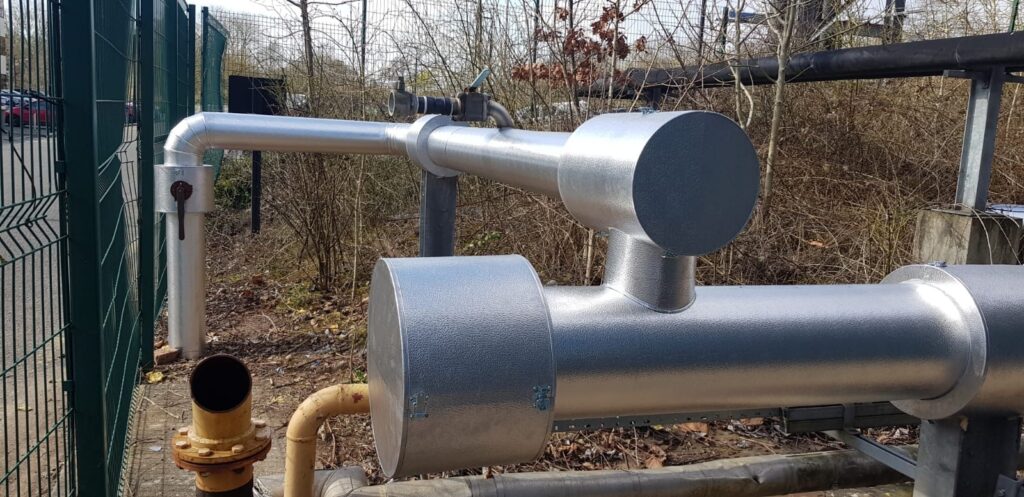
Weatherproof cladding acts as the protective outer shell around insulation systems. Its role is to shield insulation from rain, UV rays, physical impact, moisture ingress, and environmental deterioration while maintaining reliable performance over time. Common weatherproof jacketing materials include:
Aluminium cladding
Aluminium remains one of the most popular solutions for outdoor pipe insulation cladding due to its lightweight properties, corrosion resistance, and professional appearance. It performs particularly well across commercial and industrial pipework systems.
Stainless steel jacketing
Stainless steel provides extremely durable protection in harsh environments, including coastal or chemical-processing sites where corrosion resistance is critical.
PIB cladding
PIB cladding is often used where waterproofing is a priority. These systems can provide cost-effective protection for lighter-duty external applications.
The importance of maintenance and inspection
External insulation systems should always be inspected periodically. Over time, exposure to weather, accidental impact, and natural movement can create gaps, damaged sections, or failed seals within weatherproof systems. Routine maintenance should include checking for:
- Damaged cladding
- Loose seams
- Signs of corrosion
- Wet insulation
- Condensation
- Cracked sealant
- UV deterioration
- Missing fasteners
Any damaged waterproof pipe lagging or cladding should be repaired quickly to prevent moisture infiltration and further deterioration. In many cases, relatively minor maintenance can significantly extend a system’s lifespan and avoid more expensive remedial work later.
DIY vs professional installation
Commercial and industrial insulation projects typically require specialist expertise. Professional insulation contractors can assess:
- Pipe sizes and system layouts
- Exposure conditions
- Appropriate insulation thickness
- Suitable materials
- Moisture control requirements
- Cladding specifications
- Building regulations compliance
Complex pipework systems, external ductwork, elevated installations, and harsh environments all benefit from a professional installation to ensure safe, durable, and effective results.
DIY lagging can develop gaps, trapped moisture, and premature failures that compromise both insulation performance and pipe protection.
Using a professional company to fit your insulation will benefit any project. A thermal insulation contractor will have the materials and building science knowledge with a capable workforce, holding the correct technical skills required to carry out the project.
Quick checklist: How to protect external pipe insulation
When you’re planning external pipework insulation, remember these key principles:
- Choose insulation materials suitable for outdoor use
- Use closed-cell foams where moisture resistance is important
- Install weatherproof cladding for pipework exposed to rain or UV rays
- Ensure insulation thickness matches operating conditions
- Seal all joints and seams carefully
- Protect outdoor taps and exposed fittings
- Inspect insulation systems regularly
- Repair damaged sections promptly
- Consider trace heating in severe cold environments
- Use professional installers for complex or large-scale systems
Why choose Thermal Clad?
At Thermal Clad, we provide specialist commercial and industrial insulation services for clients across the UK. With over 40 years of combined industry experience, we deliver tailored solutions for external pipework, ductwork, and plant systems, helping businesses improve energy efficiency while protecting insulation from moisture ingress, UV damage, corrosion, and mechanical wear.
Our experienced team offers expert support for weatherproof cladding for pipework, ductwork weatherproofing, aluminium jacketing, and outdoor pipe insulation. From specification through to installation, we focus on quality work, long-term protection, and reliable performance in demanding environments.
If you’re looking for long-term protection for your pipework, contact Thermal Clad today to discuss your requirements.
Frequently Asked Questions
Expert Guides
Our goal at Thermal Clad is to not only provide our customers with the finest service possible but also to keep them informed about new products and industry trends.
Please feel free to check out some of our expert insulation guides below:
How Poor Pipework Insulation Increases Heat Loss and Energy Costs
Pipework carries heated water, steam and other fluids throughout commercial and industrial buildings. When it is left bare, inadequately…
Where Is Acoustic Insulation Most Needed in Commercial and Industrial Building Services?
Unwanted noise is a common challenge in commercial and industrial buildings, affecting everything from occupant comfort and productivity to…
Single Feed vs Recirculating Hot Water Systems: Where Is Trace Heating Required?
Hot water systems are a vital part of commercial and industrial buildings, particularly where fast delivery, temperature control, and…
When Should You Use Weatherproof Jacketing on External Pipework and Ductwork?
External pipework and ductwork are constantly exposed to harsh environmental conditions, including freezing temperatures and heavy rain, as well…
Black and Colour-Finished Insulation Systems for Exposed HVAC Services
Modern commercial and industrial buildings increasingly leave ductwork and pipes exposed as part of the architectural concept. In offices,…
Insulation Solutions for Exposed Pipework and Ductwork in Commercial Interiors
In commercial and industrial buildings, exposed pipework and ductwork form a critical part of the mechanical infrastructure that supports…

Insulating Exposed Ductwork: Options, Aesthetics, and Performance
Key Takeaways This guide outlines the main insulation methods, planning considerations, and aesthetic requirements raised by facilities managers, contractors,…
Commercial Building Services Insulation: Reducing Energy Loss, Carbon Emissions and Costs
In commercial buildings, a significant amount of energy loss occurs through mechanical and HVAC services rather than the building…
How to Prevent Condensation and Corrosion Under Insulation (CUI)
Corrosion Under Insulation (CUI) is a well-recognised issue in industrial environments and continues to be a cause of unplanned…
Sustainable Insulation: Reducing Carbon in Building Services
Sustainable insulation materials are an important part of reducing carbon emissions within modern building services. Mechanical and electrical systems…