

Insulating Exposed Ductwork: Options, Aesthetics, and Performance
Key Takeaways
- Exposed ductwork and pipework require insulation, ductwork insulation, and hvac insulation for energy efficiency, condensation control, noise reduction and maintaining a stable, comfortable indoor temperature.
- In open ceiling environments, insulating exposed ductwork must deliver both technical performance and a high-quality visual finish.
- You can insulate metal ductwork systems by installing materials such as phenolic foam and mineral wool, and apply a visually pleasing finish by cladding the insulation with materials such as sheet metal or laminate jacketing.
- Black matte finishes, RAL colour matching, and architectural cladding products allow insulation to enhance interior design rather than detract from it.
- Correct material selection, vapour retarder continuity, and professional installation prevent moisture, condensation, corrosion, and costly remedial works.
This guide outlines the main insulation methods, planning considerations, and aesthetic requirements raised by facilities managers, contractors, and building owners when duct systems and pipework are intentionally left visible.
Why Insulating Exposed Ductwork Matters
Exposed ductwork remains visible rather than concealed above ceilings. It is common in commercial offices, warehouses, retail environments, and refurbishment projects where services are intentionally left on show to achieve an industrial or modern aesthetic.
Aesthetically pleasing thermal insulation on exposed ductwork is needed in spaces where the ductwork and pipework are intentionally left exposed as a design feature.
Typical locations include:
- Restaurants, bars, and coffee shops seek a trendy, urban atmosphere
- Retail stores where visible air ducts enhance spatial height and design character
- Office spaces, creative studios, and art galleries embracing a contemporary workspace aesthetic
- Loft apartments and open concept homes with vaulted ceilings
- Large public buildings such as sports arenas, leisure centres, hospitals, and schools, where both functional performance and visual appeal are critical
While exposed services can be visually striking, leaving ductwork uninsulated leads to measurable performance issues. In commercial buildings, uninsulated supply ductwork can contribute to 10 to 30 per cent energy loss through thermal transfer and air leaks.
Energy Loss Through Thermal Transfer
Sheet metal ducts rapidly absorb or lose heat. Supply air and cooled air drift toward ambient temperature before reaching occupied zones, increasing hvac system workload and operating costs.
Without proper insulation, heat loss in heating systems and heat gains in air conditioning systems significantly reduce energy efficiency and efficient airflow.
Condensation Risk
Cold air ducts in humid environments create surface condensation. This sweating can lead to dripping, corrosion, staining, and mould growth.
Condensation control and moisture control are particularly important in hospitality venues, retail units, and leisure facilities.
Insulating exposed ductwork is crucial to prevent condensation from forming on duct systems, rectangular ducts, or double-wall duct surfaces.
Inconsistent Internal Temperatures
Uninsulated air ducts reduce delivered supply air temperature accuracy, particularly in large volume, high ceiling spaces, or cold climates.
Thermal insulation maintains conditioned air temperature as it travels through duct systems or ductwork in unconditioned or varying temperature zones, supporting a stable, comfortable indoor temperature.
Noise Transmission
Bare metal ducts transfer vibration and fan noise across occupied areas, reducing acoustic comfort.
Duct insulation and internal liners help absorb and control noise from hvac systems, contributing to a quieter environment.
Regulatory Compliance
UK Part L and related building regulations require minimum duct insulation levels on sheet metal ducts and duct systems in most commercial settings.
Code compliance must also be met, particularly where insulation remains visible.
Design and Functional Needs in Open Ceiling Environments
In exposed installations, insulation must serve both practical and visual purposes.
Aesthetic Finishes
The insulation material itself or its cladding is designed with attractive finishes such as black matte coatings or various RAL colours to blend with or accent the interior design.
Rather than hiding infrastructure, this approach transforms it into a deliberate design feature.
Clean lines, straight seams and smooth surface finishes are essential. Traditional duct wrap can appear uneven or lumpy, which undermines the intended architectural effect.
Condensation Control
A strong vapour retarder is required to prevent condensation, especially in humid areas.
Continuous vapour retarder detailing is essential to prevent moisture, corrosion, and duct system deterioration.
Thermal Efficiency
Insulating exposed ductwork maintains air or fluid temperature, preventing energy loss, heat loss, heat gains, and supporting hvac system performance targets.
The thermal resistance of insulation and R-value determine the effectiveness of duct insulation and double-wall duct construction.
Acoustic Performance
Duct insulation, internal liners, and double-wall systems assist with sound absorption and vibration control in offices, hospitality, and public buildings.
Durability and Safety
Exposed insulated ductwork may require a protective, sometimes weatherproof, outer layer to protect it from physical damage.
In high-traffic areas, robust impact-resistant cladding should be used.
All materials must meet local building regulations and fire safety standards.
Main Insulation Options for Exposed Ductwork
Two principal approaches are used:
- Mineral wool or phenolic foam slab for rectangular ducts, or mineral wool ductwrap or slotted foam phenolic slab for circular ducts.
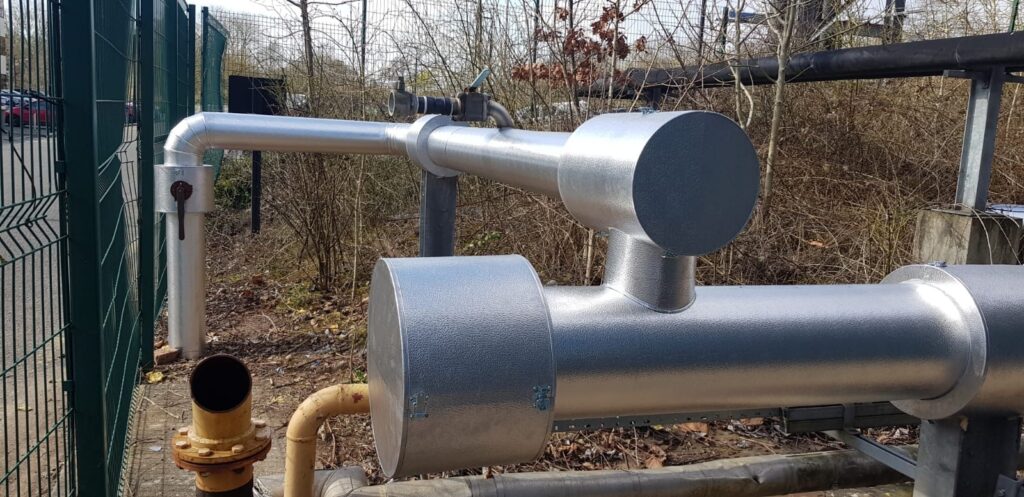
- Metal cladding can be used to clad ductwork insulated with mineral wool products. Laminate jacketing, however, will look more appealing when applied to Phenolic foam insulation due to phenolic products having a firmer consistency for the jacketing to adhere to.
The correct solution depends on project type, performance requirements, and visual expectations.
Common Materials Used
Common Materials
- Fibreglass or mineral wool duct wrap with foil facing
- Fibreglass or Mineral wool slabs
- Phenolic Foam Slab
Foil facings act as a vapour retarder to prevent moisture migration.
Foil-Faced Rigid Boards
Rigid fibreglass or mineral wool boards with reinforced aluminium facing create a very flat, sharp-edged, and modern look, particularly for rectangular ducts.
White and Black Duct Wraps
Some manufacturers offer mineral wool duct insulation with black or white vapour barriers, which provide a matte, clean, and less obvious appearance.
Black matte finishes blend effectively with industrial applications or open ceiling duct systems.
KlasseCLAD® or ProClad
These are self-adhesive, flexible, and high-performance laminate jacketing cladding products designed for a sleek and smooth surface finish on insulated ductwork and pipes.
Metal cladding, such as aluminium or stainless steel, provides a durable, polished look suitable for high-end or industrial applications.
Rigid Pipe Insulation
Using rigid, pre-formed insulation rather than sagging foam insulation creates a crisp, clean, and intentional aesthetic.
Key Considerations for Visual Insulation
When aesthetic appeal is critical, attention to detail defines the outcome.
Vapour Barrier
Ensure coverings include a strong vapour retarder to prevent condensation.
Professional Finish
Straight seams and consistent detailing are essential.
Fire Rating
Ensure code compliance with building regulations.
Colour Selection
Matte finishes hiding dirt. Reflective metal finishes create a bold impact on industrial applications.
Durability
Use impact-resistant cladding in high-traffic areas.
Benefits of Aesthetically Pleasing Insulation
Modern aesthetic
Aluminium, stainless steel, or colour-matched cladding products transform ductwork into a contemporary design feature.
Clean look
High-quality duct insulation hides traditional wrap irregularities.
Customisation
Cladding materials can be selected in various finishes to blend with the surrounding architecture.
Balancing Aesthetics, Performance, and Cost
- Visible duct systems must meet engineering requirements while satisfying design intent.
- Rigid boards and coloured duct wrap provide cost-effective upgrades.
- Metal cladding enhances durability and visual quality.
- Mixed approaches are common in larger commercial environments.
When assessing options, consider long-term energy savings, maintenance requirements, preventing condensation, and reducing energy loss rather than initial cost alone.
Why Choose Thermal Clad?
Duct insulation performance depends on correct specification, compliant materials, and workmanship on-site.
Thermal Clad is a UK specialist in commercial and industrial insulation and cladding products for duct systems. We work with main contractors, consultants, and facilities managers to deliver insulated ductwork solutions that meet Part L requirements and project specifications while achieving high-quality architectural finishes.
Our services include:
- External duct insulation using mineral wool, rigid boards, and specialist facings
- Black matte and RAL colour-matched finishes
- Aluminium and weatherproof cladding for rooftop and exposed ductwork
- Vapour retarder detailing to prevent condensation and corrosion
- Coordination with mechanical and electrical trades to ensure clean finishes
If you are planning a new build, refurbishment, or plant upgrade involving exposed ductwork or pipework, Thermal Clad can advise on the appropriate ductwork insulation strategy and deliver a compliant, visually refined installation.
Expert Guides
Our goal at Thermal Clad is to not only provide our customers with the finest service possible but also to keep them informed about new products and industry trends.
Please feel free to check out some of our expert insulation guides below:
How Poor Pipework Insulation Increases Heat Loss and Energy Costs
Pipework carries heated water, steam and other fluids throughout commercial and industrial buildings. When it is left bare, inadequately…
Where Is Acoustic Insulation Most Needed in Commercial and Industrial Building Services?
Unwanted noise is a common challenge in commercial and industrial buildings, affecting everything from occupant comfort and productivity to…
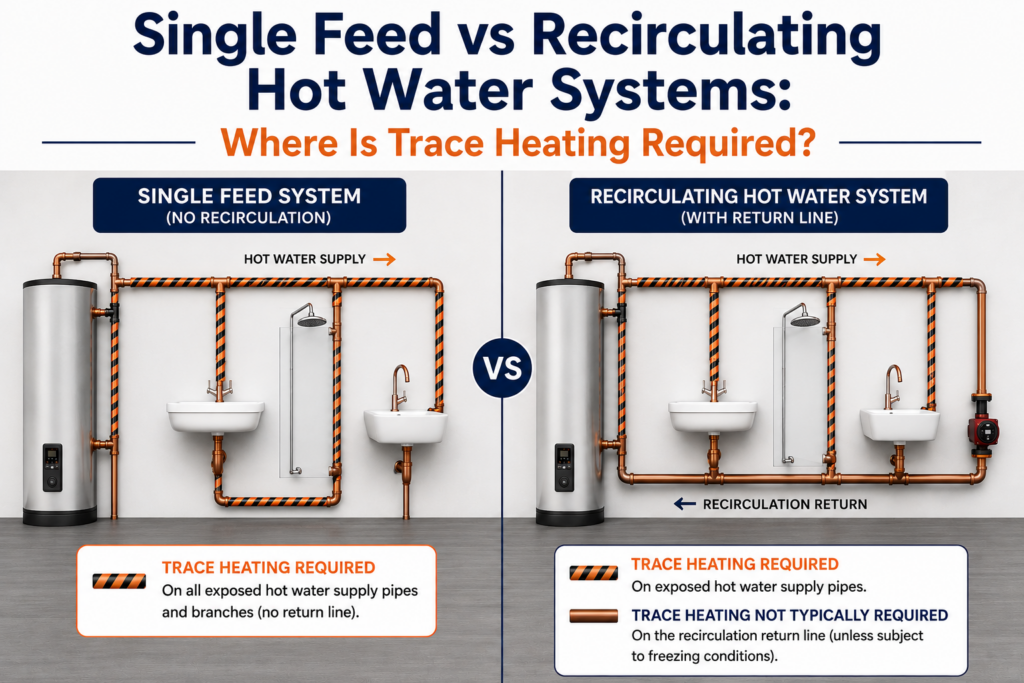
Single Feed vs Recirculating Hot Water Systems: Where Is Trace Heating Required?
Hot water systems are a vital part of commercial and industrial buildings, particularly where fast delivery, temperature control, and…
When Should You Use Weatherproof Jacketing on External Pipework and Ductwork?
External pipework and ductwork are constantly exposed to harsh environmental conditions, including freezing temperatures and heavy rain, as well…
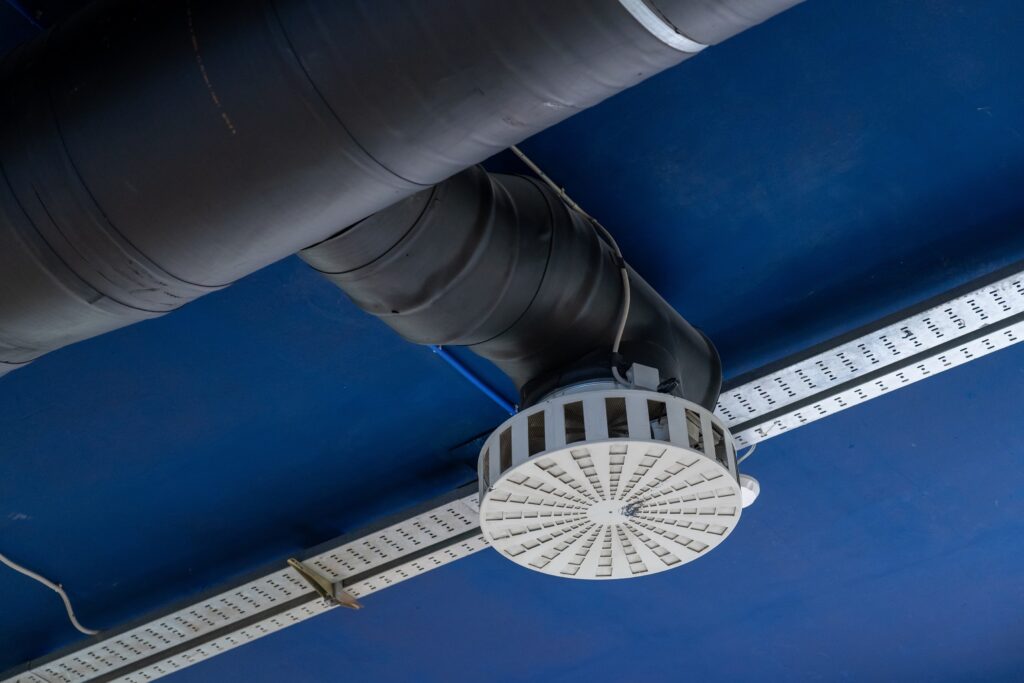
Black and Colour-Finished Insulation Systems for Exposed HVAC Services
Modern commercial and industrial buildings increasingly leave ductwork and pipes exposed as part of the architectural concept. In offices,…
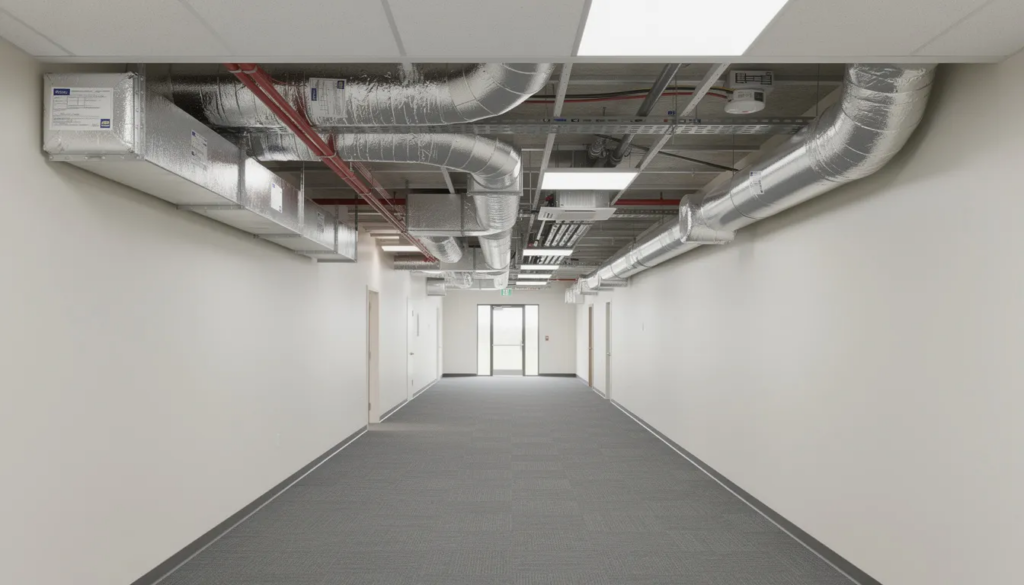
Insulation Solutions for Exposed Pipework and Ductwork in Commercial Interiors
In commercial and industrial buildings, exposed pipework and ductwork form a critical part of the mechanical infrastructure that supports…

Insulating Exposed Ductwork: Options, Aesthetics, and Performance
Key Takeaways This guide outlines the main insulation methods, planning considerations, and aesthetic requirements raised by facilities managers, contractors,…
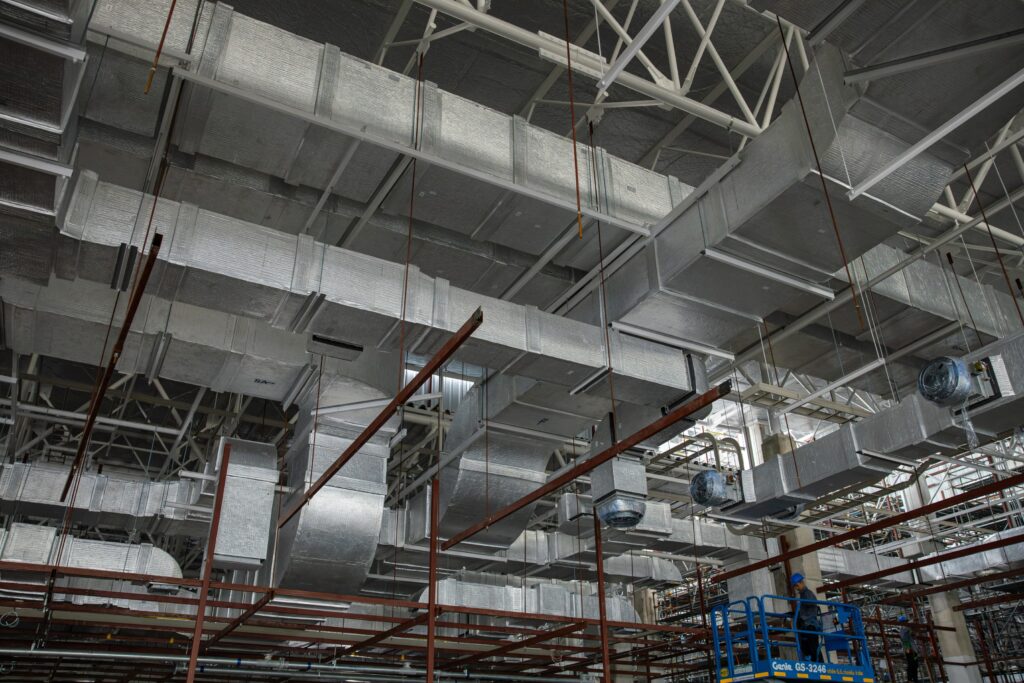
Commercial Building Services Insulation: Reducing Energy Loss, Carbon Emissions and Costs
In commercial buildings, a significant amount of energy loss occurs through mechanical and HVAC services rather than the building…
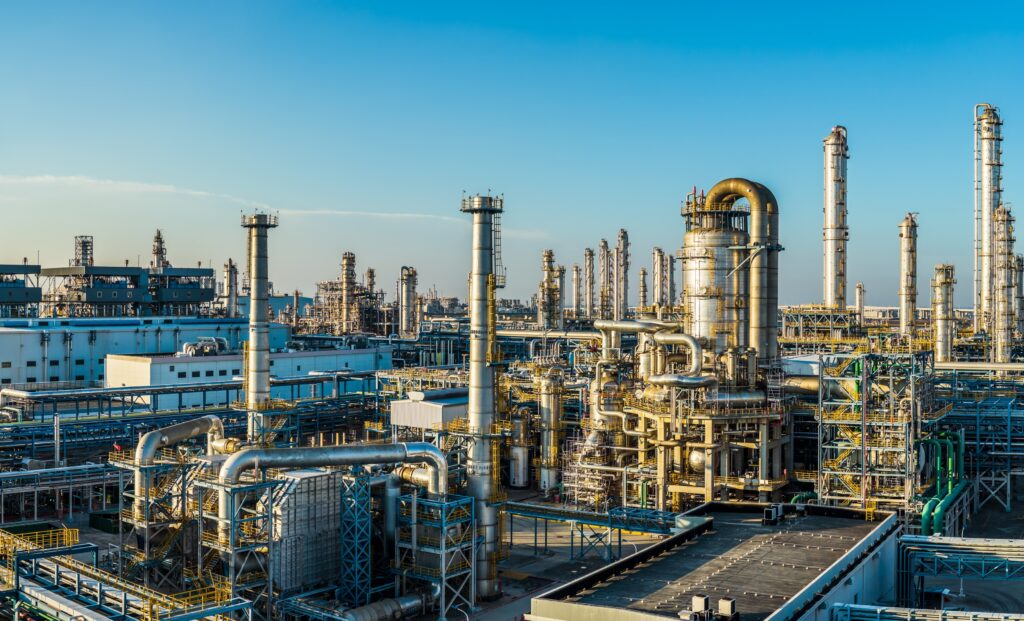
How to Prevent Condensation and Corrosion Under Insulation (CUI)
Corrosion Under Insulation (CUI) is a well-recognised issue in industrial environments and continues to be a cause of unplanned…
Sustainable Insulation: Reducing Carbon in Building Services
Sustainable insulation materials are an important part of reducing carbon emissions within modern building services. Mechanical and electrical systems…