

How to Prevent Condensation and Corrosion Under Insulation (CUI)
- What Is Corrosion Under Insulation and Why It Matters
- How Condensation and Moisture Lead to CUI
- CUI on Stainless Steel: Why It Requires Special Attention
- Common Insulation Issues That Increase CUI Risk
- Corrosion Barriers and Aluminium Foil Pre-Wraps
- Design and Installation Practices That Reduce CUI Risk
- Inspection and Maintenance Considerations
- Summary: A Practical Approach to CUI Prevention
- Frequently Asked Questions About CUI Prevention
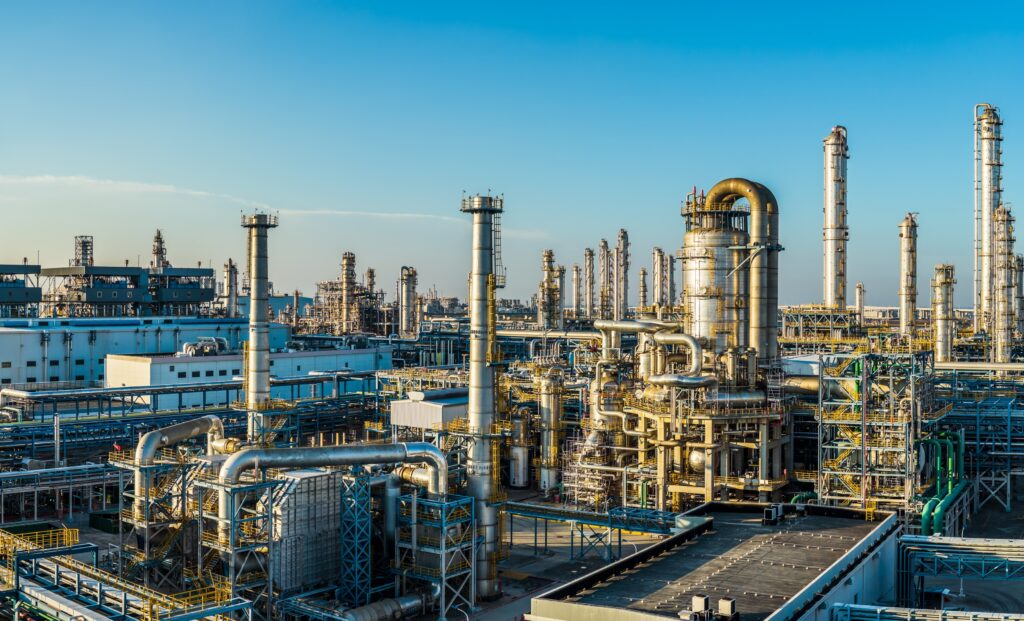
Corrosion Under Insulation (CUI) is a well-recognised issue in industrial environments and continues to be a cause of unplanned maintenance, asset degradation, and operational disruption. Despite increased awareness, CUI still affects insulated pipework, vessels, and equipment across many sectors.
One of the challenges with CUI is that it develops out of sight. Insulation and cladding systems may appear intact externally, while moisture trapped beneath insulation gradually corrodes the underlying metal surface. In many cases, corrosion is only identified once insulation is removed during inspections or shutdowns, by which point significant damage may already have occurred.
This article outlines a practical, insulation-focused approach to preventing condensation and corrosion under insulation. It explains how CUI develops, why stainless steel systems require particular attention, and how effective insulation detailing and aluminium foil pre-wraps can significantly reduce long-term risk.
What Is Corrosion Under Insulation and Why It Matters
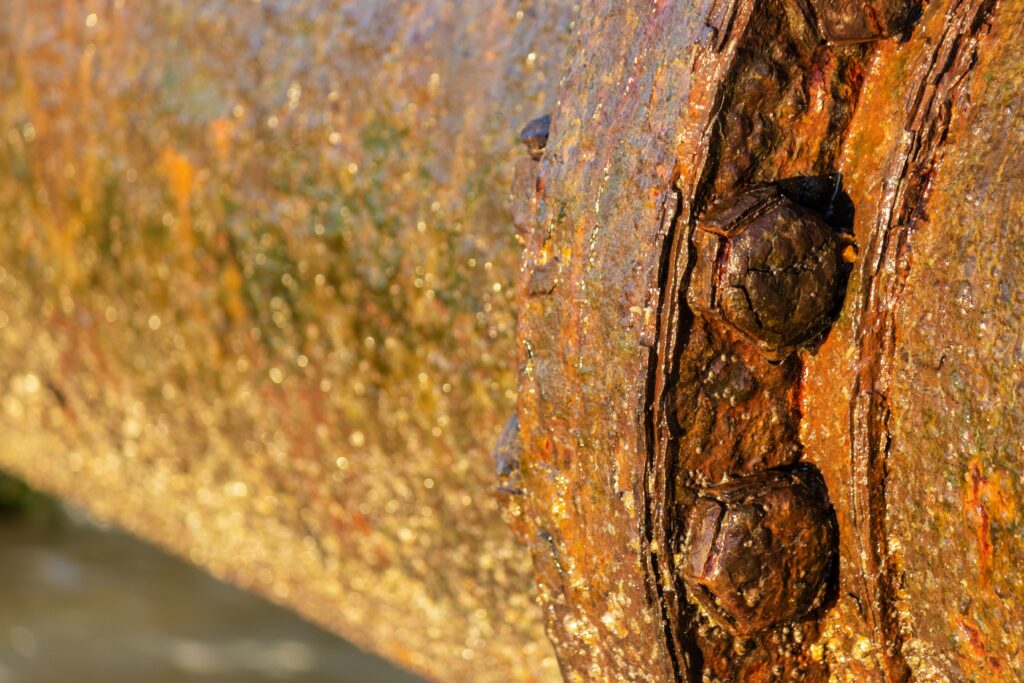
Corrosion Under Insulation is a form of external corrosion that occurs beneath thermal insulation systems. It can affect both carbon steel and stainless steel pipework, vessels, and equipment, often progressing unnoticed during normal operation.
CUI develops when moisture becomes trapped between the insulation material and the metal surface. Once present, this moisture creates a corrosive environment that can lead to pitting, wall thinning, and, in some cases, stress corrosion cracking.
Key characteristics of CUI:
- Occurs beneath insulation and is not visible during routine external inspection
- Driven by moisture ingress and retention within insulation systems
- Can affect hot and cold services under different operating conditions
- Is often discovered during insulation removal for maintenance or inspection
From an insulation system perspective, controlling moisture ingress is one of the most effective ways to manage CUI risk over the life of an asset.
How Condensation and Moisture Lead to CUI
Condensation forms when the surface temperature of pipework or vessels falls below the dew point of the surrounding air. This can occur continuously on cold services and intermittently on hot services during shutdowns or temperature changes.
Once moisture enters an insulation system, many insulation materials retain water against the metal surface. This creates conditions where corrosion can develop and progress over time.
Common sources of moisture include:
- Rainwater ingress through damaged or poorly sealed cladding
- Condensation on cold or chilled services
- Process leaks from valves, flanges, or fittings
- Wash-down water and firewater testing
- High-humidity environments and coastal exposure
In the UK climate, where rainfall and humidity are common, insulation systems without effective moisture control are particularly vulnerable.
CUI on Stainless Steel: Why It Requires Special Attention
Although stainless steel is often selected for its corrosion resistance, it is not immune to corrosion under insulation. When moisture and chlorides are present beneath insulation, stainless steel can be susceptible to pitting corrosion and stress corrosion cracking.
Chlorides may be introduced from the surrounding environment, wash-down water, or airborne contamination. When moisture evaporates beneath insulation, these chlorides can concentrate at the metal surface, increasing the risk of corrosion.
Austenitic stainless steels such as 304L and 316L are particularly vulnerable when operating within temperature ranges commonly associated with stress corrosion cracking. For this reason, moisture management is especially important when insulating stainless steel pipework and vessels.
Common Insulation Issues That Increase CUI Risk
Many CUI cases are linked to insulation system weaknesses rather than the insulation material itself. Typical contributing factors include:
- Poorly sealed cladding joints and penetrations
- Damaged or degraded outer jacketing
- Mechanical damage from access, vibration, or maintenance activities
- Areas where water can collect at supports or low points
- Older insulation systems that no longer provide effective moisture protection
Addressing these issues early allows targeted improvements that reduce CUI risk without requiring full insulation replacement.
Corrosion Barriers and Aluminium Foil Pre-Wraps
In practical insulation applications, corrosion protection does not typically involve painting or coating pipework. Instead, where stainless steel pipework or vessels are being insulated, a common and effective approach is to pre-wrap the surface with aluminium foil prior to insulation installation.
Aluminium foil pre-wraps act as a physical barrier between the stainless steel surface and any moisture retained within the insulation system. This reduces direct contact between moisture, chlorides, and the metal surface, helping to lower the risk of corrosion under insulation.
From an insulation system perspective, aluminium foil pre-wraps:
- Provide a simple and practical corrosion barrier
- Are widely used when insulating stainless steel pipework and vessels
- Help limit moisture contact beneath insulation
- Remain effective even if the outer cladding is compromised
The decision to use pre-wraps is typically based on material type, environmental conditions, and the likelihood of moisture exposure.
Design and Installation Practices That Reduce CUI Risk
Effective CUI prevention relies on a combination of good design and quality installation. Key considerations include:
- Selecting insulation systems appropriate for the operating environment
- Ensuring effective sealing at joints, penetrations, and terminations
- Providing drainage where water may otherwise collect
- Installing insulation and cladding to minimise moisture ingress
Attention to detail during installation is critical, as many moisture pathways are unintentionally created during construction.
Inspection and Maintenance Considerations
CUI prevention does not end once insulation is installed. Ongoing inspection and maintenance play an important role in identifying early warning signs and preventing deterioration.
Indicators that may require investigation include:
- Rust staining or discolouration at cladding joints
- Loose or damaged jacketing
- Bulging or saturated insulation
A risk-based inspection approach allows higher-risk systems to be prioritised without unnecessary disruption.
Summary: A Practical Approach to CUI Prevention
Preventing corrosion under insulation requires a practical, insulation-led approach focused on moisture control.
A typical approach includes:
- Identifying systems at risk of moisture exposure
- Paying particular attention to stainless steel pipework and vessels
- Using aluminium foil pre-wraps where appropriate
- Installing insulation and cladding to minimise moisture ingress
- Inspecting and maintaining insulation systems over time
By focusing on insulation design, detailing, and installation quality, the risk of CUI can be significantly reduced, helping to protect assets and extend service life.
Frequently Asked Questions About CUI Prevention
Expert Guides
Our goal at Thermal Clad is to not only provide our customers with the finest service possible but also to keep them informed about new products and industry trends.
Please feel free to check out some of our expert insulation guides below:
How Poor Pipework Insulation Increases Heat Loss and Energy Costs
Pipework carries heated water, steam and other fluids throughout commercial and industrial buildings. When it is left bare, inadequately…
Where Is Acoustic Insulation Most Needed in Commercial and Industrial Building Services?
Unwanted noise is a common challenge in commercial and industrial buildings, affecting everything from occupant comfort and productivity to…
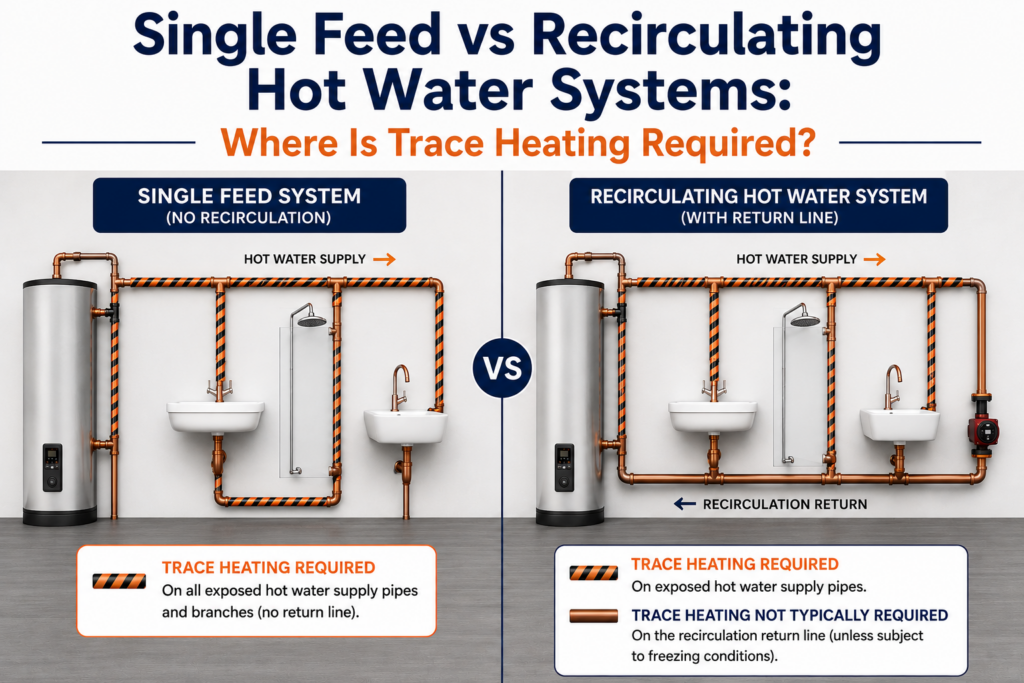
Single Feed vs Recirculating Hot Water Systems: Where Is Trace Heating Required?
Hot water systems are a vital part of commercial and industrial buildings, particularly where fast delivery, temperature control, and…
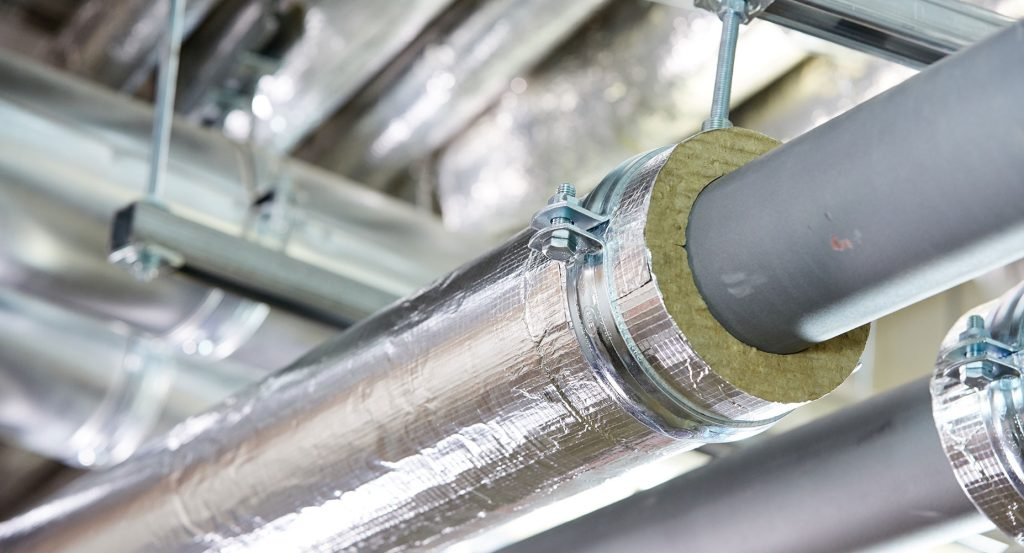
When Should You Use Weatherproof Jacketing on External Pipework and Ductwork?
External pipework and ductwork are constantly exposed to harsh environmental conditions, including freezing temperatures and heavy rain, as well…
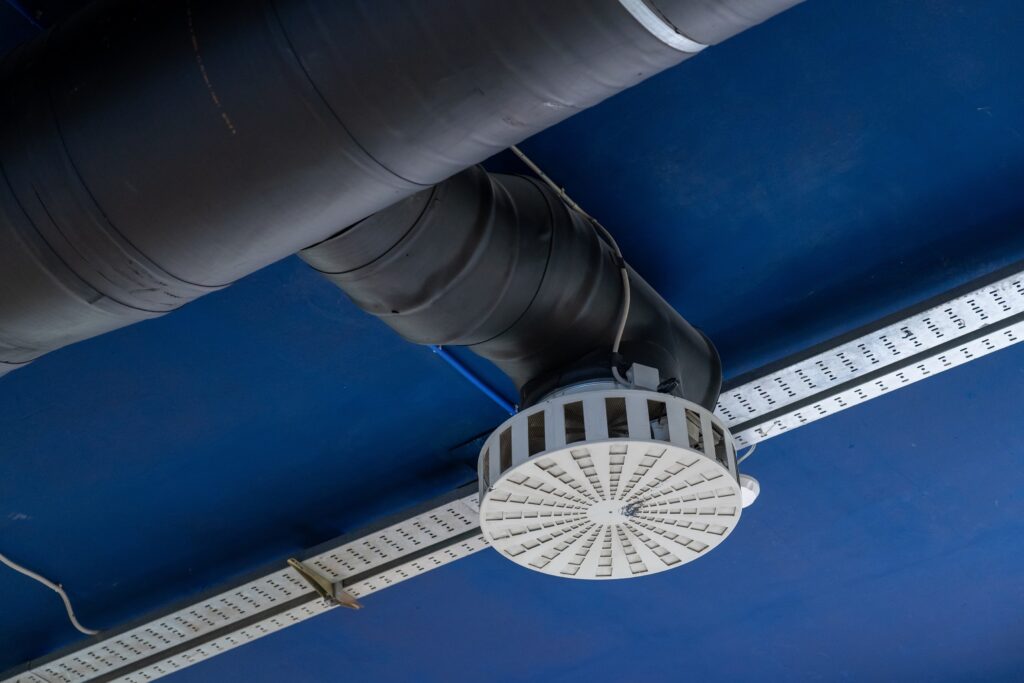
Black and Colour-Finished Insulation Systems for Exposed HVAC Services
Modern commercial and industrial buildings increasingly leave ductwork and pipes exposed as part of the architectural concept. In offices,…
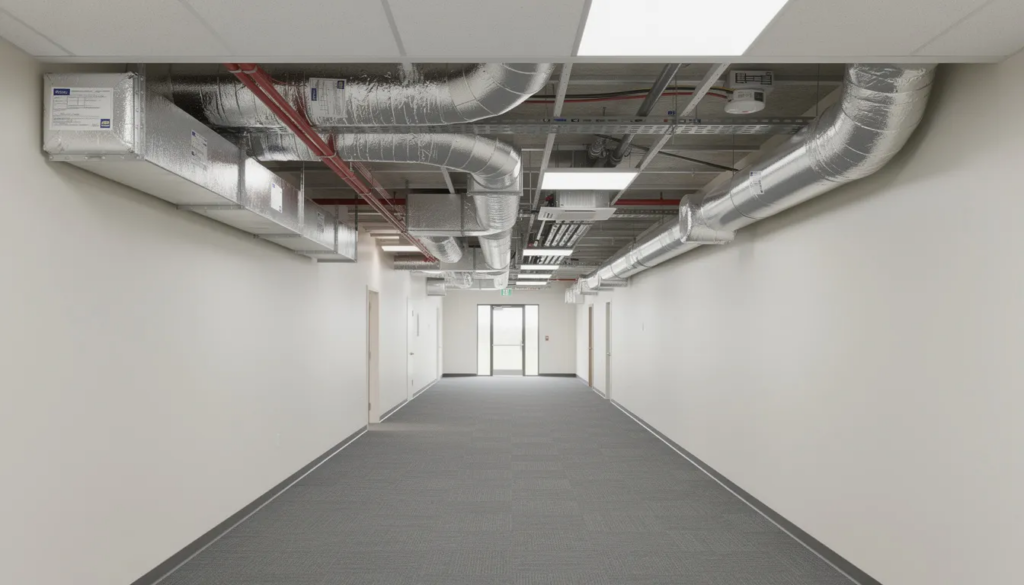
Insulation Solutions for Exposed Pipework and Ductwork in Commercial Interiors
In commercial and industrial buildings, exposed pipework and ductwork form a critical part of the mechanical infrastructure that supports…

Insulating Exposed Ductwork: Options, Aesthetics, and Performance
Key Takeaways This guide outlines the main insulation methods, planning considerations, and aesthetic requirements raised by facilities managers, contractors,…
Commercial Building Services Insulation: Reducing Energy Loss, Carbon Emissions and Costs
In commercial buildings, a significant amount of energy loss occurs through mechanical and HVAC services rather than the building…
How to Prevent Condensation and Corrosion Under Insulation (CUI)
Corrosion Under Insulation (CUI) is a well-recognised issue in industrial environments and continues to be a cause of unplanned…
Sustainable Insulation: Reducing Carbon in Building Services
Sustainable insulation materials are an important part of reducing carbon emissions within modern building services. Mechanical and electrical systems…