

Sustainable Insulation: Reducing Carbon in Building Services
- Key Takeaways
- The Importance of Insulation Materials in Building Services
- Sustainable Insulation for Pipework and Ductwork
- Reducing Carbon through Effective Pipe and Duct Insulation
- Preventing Corrosion Under Insulation
- Energy Efficiency, Operational Costs and Whole Life Carbon
- Fire Safety, Compliance and Technical Assurance
- How We Can Help
- Why Choose Thermal Clad
- Conclusion
- Frequently Asked Questions
Sustainable insulation materials are an important part of reducing carbon emissions within modern building services. Mechanical and electrical systems depend on pipework, ductwork, vessels and plant items that must be insulated correctly to limit heat loss, control heat gain, and maintain operational stability. Although public guidance often highlights insulation to walls, floors and roofs, the insulation of building services plays an equally important role in improving energy efficiency and lowering operational carbon.
Our work covers thermal insulation to heating, cooling, ventilation and process systems across commercial and industrial environments. Well-selected insulation materials with excellent thermal properties help reduce energy consumption, improve system reliability and support long-term sustainability targets for facilities of all sizes.
Key Takeaways
- Sustainable insulation materials support reduced carbon emissions and improved energy efficiency across building services by limiting heat loss and heat gain in mechanical systems.
- Selecting insulation materials with excellent thermal properties helps stabilise system temperatures, reduce energy consumption and lower operational costs throughout the life of the installation.
- Correct installation, including moisture management and corrosion prevention, is essential to maintain insulation performance and protect pipework, ductwork and vessels from long term damage.
- Balancing sustainability with fire performance, technical compliance and durability ensures that insulation materials contribute effectively to reduced environmental impact and reliable system operation.
The Importance of Insulation Materials in Building Services
Building services systems transport hot water, chilled water, conditioned air and process fluids. Without effective thermal insulation, heat loss and heat gain occur across distribution networks. This increases system demand, drives up energy bills and accelerates wear on boilers, chillers and pumps.
Selecting insulation materials with stable thermal performance supports improved energy efficiency and compliance with relevant technical standards. We install insulation systems designed to manage temperature, control condensation, and protect equipment in a wide variety of operating environments.
Sustainability Within Mechanical Insulation
Sustainable insulation materials in mechanical applications include products with recycled content, reduced embodied carbon or enhanced thermal performance. These materials help reduce operational energy use and support carbon reduction goals. Sustainability in this context is measured by the combined benefit of lower embodied carbon and improved thermal efficiency throughout the system’s lifespan.
Using insulation materials that provide excellent thermal properties helps limit energy waste, stabilise system temperatures and deliver measurable carbon savings across the life of the asset.
Sustainable Insulation for Pipework and Ductwork
Service-based insulation systems must provide stable thermal efficiency in environments where temperature, humidity and mechanical stress vary significantly. Effective insulation helps improve energy efficiency and reduce operational carbon.
Recycled and Low Embodied Carbon Insulation Systems
Recycled insulation materials manufactured with recycled mineral fibres or recycled glass support reduced reliance on virgin materials. These materials provide good thermal conductivity, durability and fire performance suitable for mechanical systems.
Low embodied carbon insulation products may offer enhanced thermal performance, reduced material thickness or lower production energy. These characteristics support a reduced carbon footprint while maintaining effective thermal insulation for pipework and ductwork.
Thermal Performance and System Stability
Insulation materials with excellent thermal properties reduce heat loss from heating systems and help prevent heat gain in cooling systems. This stabilises operating temperatures and reduces energy demand.
Insulation may include rigid boards, flexible materials, preformed pipe sections, and products with factory-applied vapour barriers to manage moisture and maintain long-term performance.
Eco Insulation and Its Role in Reducing Carbon
Eco insulation covers a wide range of insulation materials designed to minimise waste, reduce energy use and support lower embodied carbon across the built environment. These materials include recycled insulation materials, natural insulation options and manmade insulation systems that offer improved thermal performance with reduced environmental impact.
While many eco insulation products are currently used in building fabric rather than mechanical systems, the principles that guide their development influence insulation material innovation across the sector. These principles encourage reductions in heat loss, enhanced energy efficiency and more sustainable material sourcing.
This progression continues to inform the future of insulation materials selected for pipework, ductwork and plant within building services.
Reducing Carbon through Effective Pipe and Duct Insulation
Mechanical insulation directly contributes to reduced energy consumption. Heat loss from uninsulated or poorly insulated pipework requires additional energy input, while inadequate insulation on chilled systems increases cooling demand.
Heating Systems and Energy Efficiency
Heating systems depend on insulation with strong thermal properties to retain heat and maintain system temperatures. Effective insulation reduces plant load, lowers energy consumption and contributes to lower carbon emissions.
Consistent thermal performance across pipework and plant helps achieve stable system operation.
Cooling Systems, Moisture Control and Performance
Chilled water and cooling systems require insulation with robust vapour control to prevent condensation and protect system components. Moisture ingress can affect system efficiency and lead to corrosion.
Insulation materials with appropriate vapour barrier systems help maintain temperature stability and prevent moisture accumulation throughout distribution networks.
Carbon Savings During System Operation
Sustainable insulation materials offer long-term carbon savings by reducing energy consumption. Operational carbon reductions achieved through effective insulation typically exceed the embodied carbon associated with material manufacture, making mechanical insulation an effective strategy for improving whole life carbon performance.
Preventing Corrosion Under Insulation
Corrosion under insulation is a recognised challenge wherever moisture can access metal surfaces beneath insulation systems. Over time, CUI can affect system integrity and lead to costly remediation.
CUI Mitigation For Stainless Steel Pipework
For stainless steel pipework or vessels, we use an aluminium foil wrap prior to insulation. This creates a barrier between the metal and any potential moisture, reducing corrosion risk.
This method is widely used in industry and provides reliable protection without the need for coatings or paint.
Moisture Management and Installation Quality
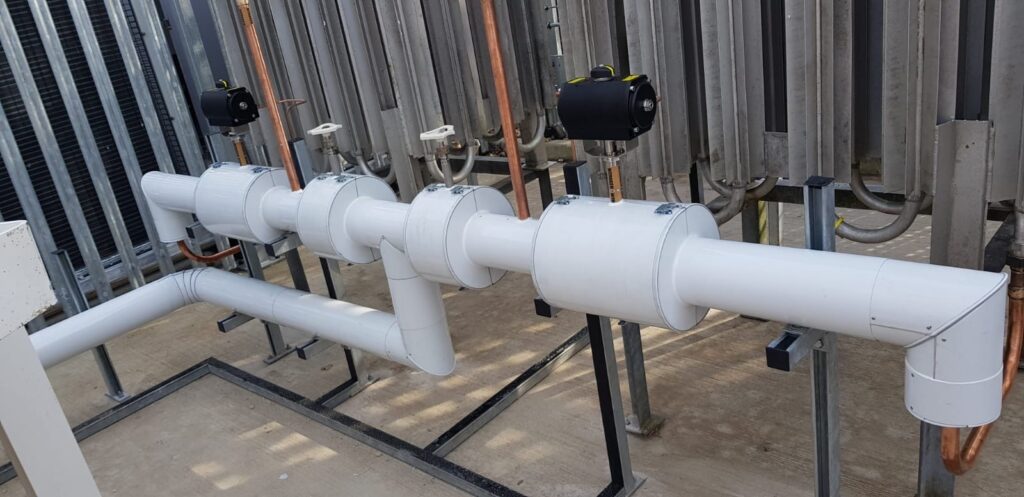
Moisture control is essential across all mechanical systems. Chilled water lines, external ductwork and plant items require suitable vapour barriers, sealed joints and weather protection.
Correct installation and material selection help maintain long-term performance.
Energy Efficiency, Operational Costs and Whole Life Carbon
Energy-efficient insulation contributes directly to reduced energy use and improved whole-life carbon performance. Materials with effective thermal conductivity reduce heat loss, support stable system operation and help lower energy costs.
Sustainable insulation materials, including products with recycled content or low embodied carbon, support environmental goals by reducing the reliance on virgin materials and lowering embodied emissions. These insulation materials may also contribute to improved thermal performance across heating and cooling systems.
Eco-Friendly Insulation Materials and System Performance
Eco-friendly insulation materials continue to influence expectations for sustainable construction and improved whole-life performance. These insulation materials focus on reduced embodied carbon, responsible sourcing and effective thermal properties that support lower energy consumption over time.
Within mechanical services, any eco-friendly insulation material must still meet exacting technical requirements, including moisture control, thermal stability, fire resistance and long-term durability under varying temperature conditions.
Although many eco-friendly insulation systems are applied in wider construction, their development informs the direction of sustainable insulation materials intended for building services. This knowledge helps shape future product choices that balance sustainability, operational performance and compliance.
Supporting Long-Term Sustainability Goals
As buildings introduce more energy-efficient heating and cooling technologies, effective mechanical insulation becomes increasingly important. Insulation supports the performance of low temperature heating systems, heat pumps and advanced cooling equipment by preventing temperature drift and stabilising system operation.
Fire Safety, Compliance and Technical Assurance
Mechanical insulation materials must meet specific fire safety and performance requirements. Many products used for pipework and ductwork, such as mineral wool insulation and phenolic foam, achieve the necessary fire ratings for building services.
How We Can Help
We support clients across commercial, industrial and public sector environments by installing thermal insulation to heating, cooling, ventilation and process systems. Our work includes pipework insulation, duct insulation, vessel insulation, trace heating insulation and bespoke cladding produced through our in-house fabrication facility.
Our experienced team advises on material selection, installation approach and compliance considerations to deliver thermal insulation systems that support reduced heat loss, stable temperature control and long term energy efficiency.
Why Choose Thermal Clad
Thermal Clad works solely within building services insulation. This specialist focus allows us to deliver accurate guidance, reliable installations and materials selected for proven performance across heating, chilled water, ventilation and process systems. Our teams understand how insulation behaves across a wide range of operating temperatures and environmental conditions.
For stainless steel systems at risk of corrosion under insulation, we apply aluminium foil barrier wraps before installing insulation. This approach supports long term system integrity and aligns with established industry practice. Our installations prioritise fire performance, moisture control and thermal efficiency throughout the project.
By improving thermal efficiency across pipework and ductwork, we help clients reduce energy use, lower operational carbon, and achieve reliable system performance. Our installations are designed to deliver compliance, durability and measurable energy savings.
Conclusion
Sustainable insulation materials contribute significantly to carbon reduction within building services. When applied correctly to mechanical systems, they help limit heat loss, reduce energy consumption and improve operational efficiency. Insulation systems with strong thermal properties provide long-term carbon savings that outweigh their embodied impact.
By combining suitable insulation materials with correct installation, moisture management and corrosion prevention, Thermal Clad supports clients in achieving reliable, efficient and sustainable building services systems. Mechanical insulation remains a vital part of reducing energy consumption and improving the environmental performance of modern buildings.
Frequently Asked Questions
Expert Guides
Our goal at Thermal Clad is to not only provide our customers with the finest service possible but also to keep them informed about new products and industry trends.
Please feel free to check out some of our expert insulation guides below:
How Poor Pipework Insulation Increases Heat Loss and Energy Costs
Pipework carries heated water, steam and other fluids throughout commercial and industrial buildings. When it is left bare, inadequately…
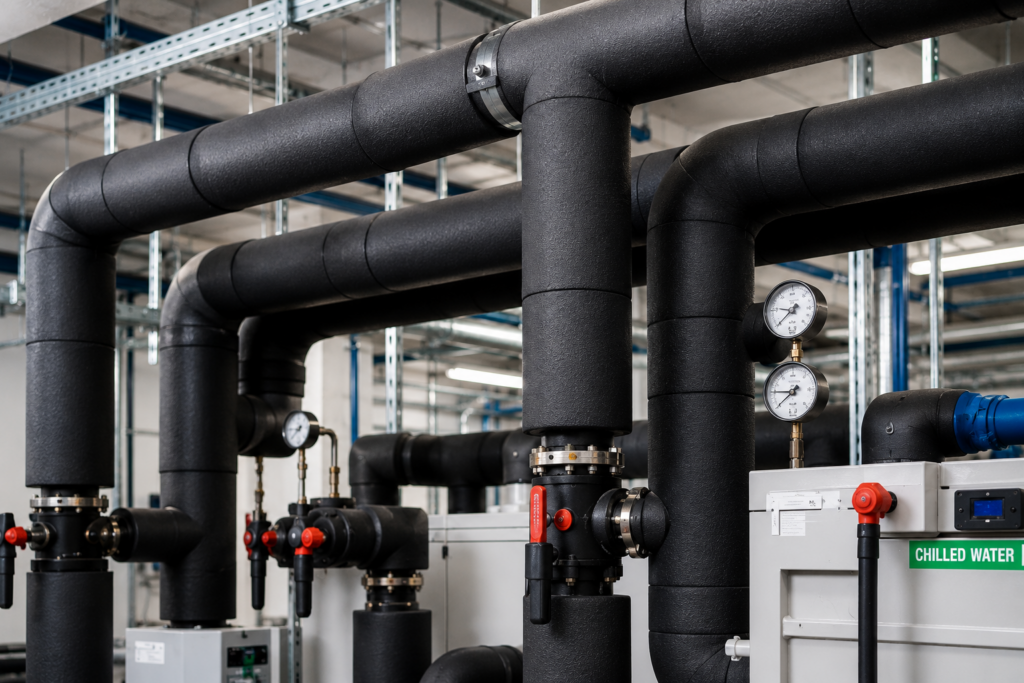
Where Is Acoustic Insulation Most Needed in Commercial and Industrial Building Services?
Unwanted noise is a common challenge in commercial and industrial buildings, affecting everything from occupant comfort and productivity to…
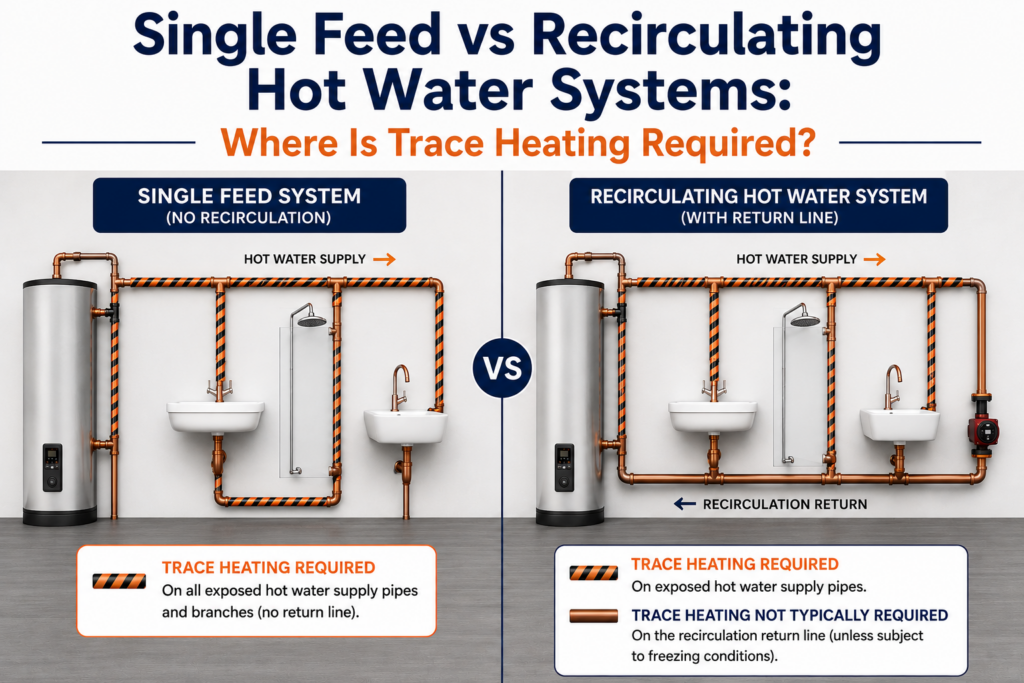
Single Feed vs Recirculating Hot Water Systems: Where Is Trace Heating Required?
Hot water systems are a vital part of commercial and industrial buildings, particularly where fast delivery, temperature control, and…
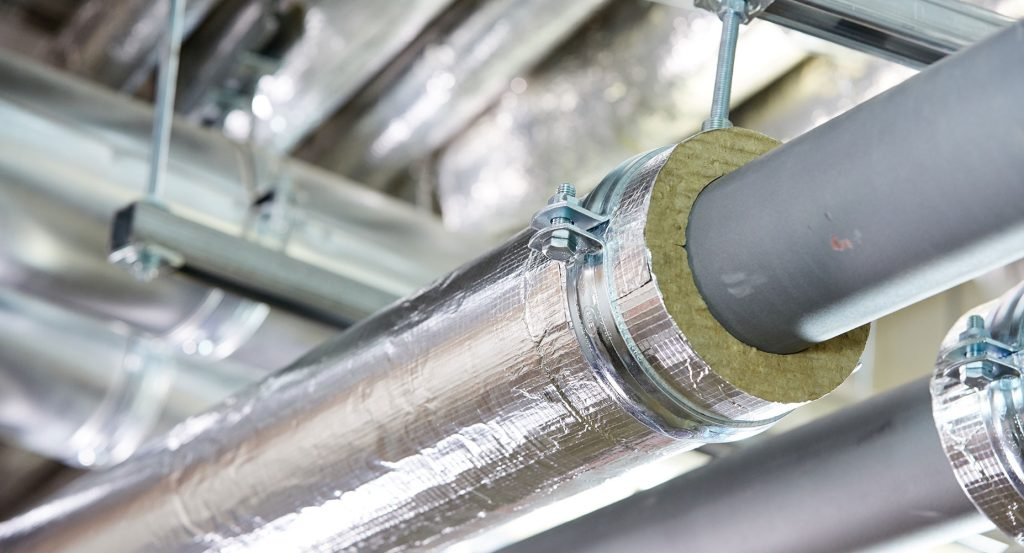
When Should You Use Weatherproof Jacketing on External Pipework and Ductwork?
External pipework and ductwork are constantly exposed to harsh environmental conditions, including freezing temperatures and heavy rain, as well…
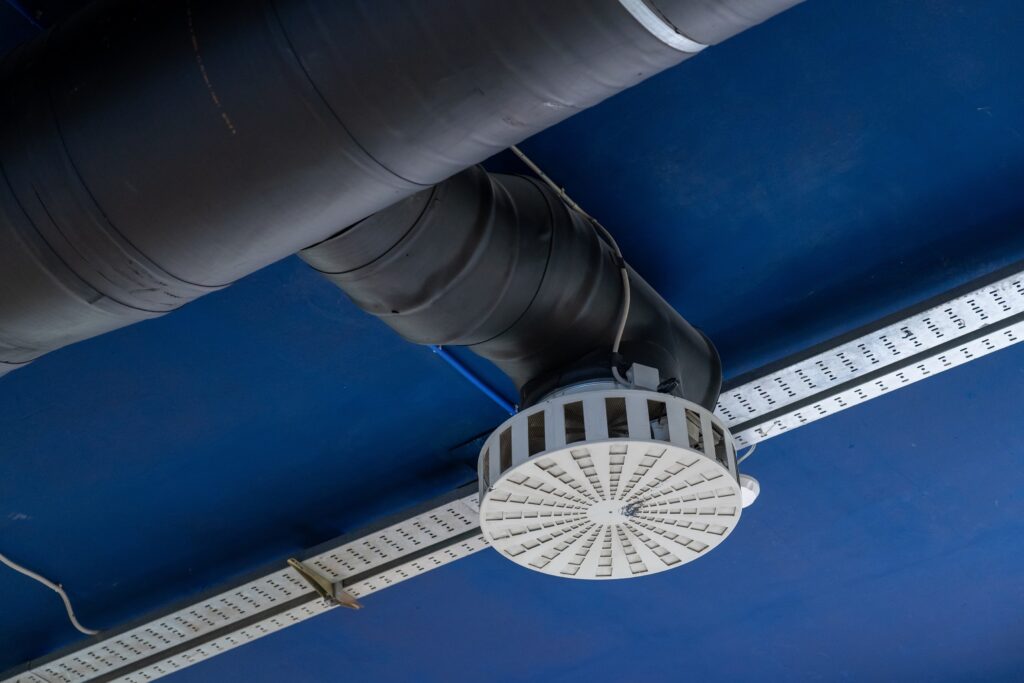
Black and Colour-Finished Insulation Systems for Exposed HVAC Services
Modern commercial and industrial buildings increasingly leave ductwork and pipes exposed as part of the architectural concept. In offices,…
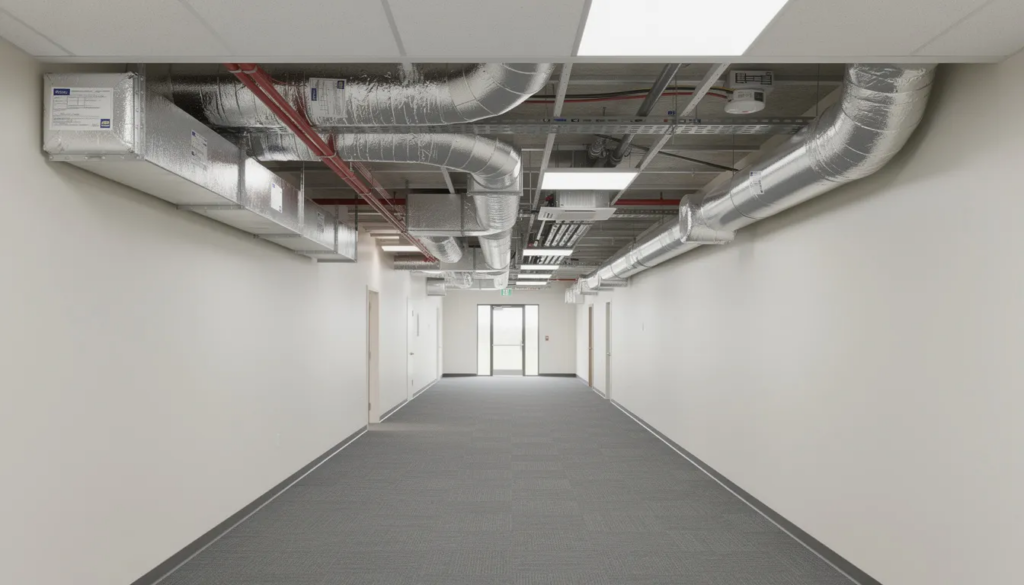
Insulation Solutions for Exposed Pipework and Ductwork in Commercial Interiors
In commercial and industrial buildings, exposed pipework and ductwork form a critical part of the mechanical infrastructure that supports…

Insulating Exposed Ductwork: Options, Aesthetics, and Performance
Key Takeaways This guide outlines the main insulation methods, planning considerations, and aesthetic requirements raised by facilities managers, contractors,…
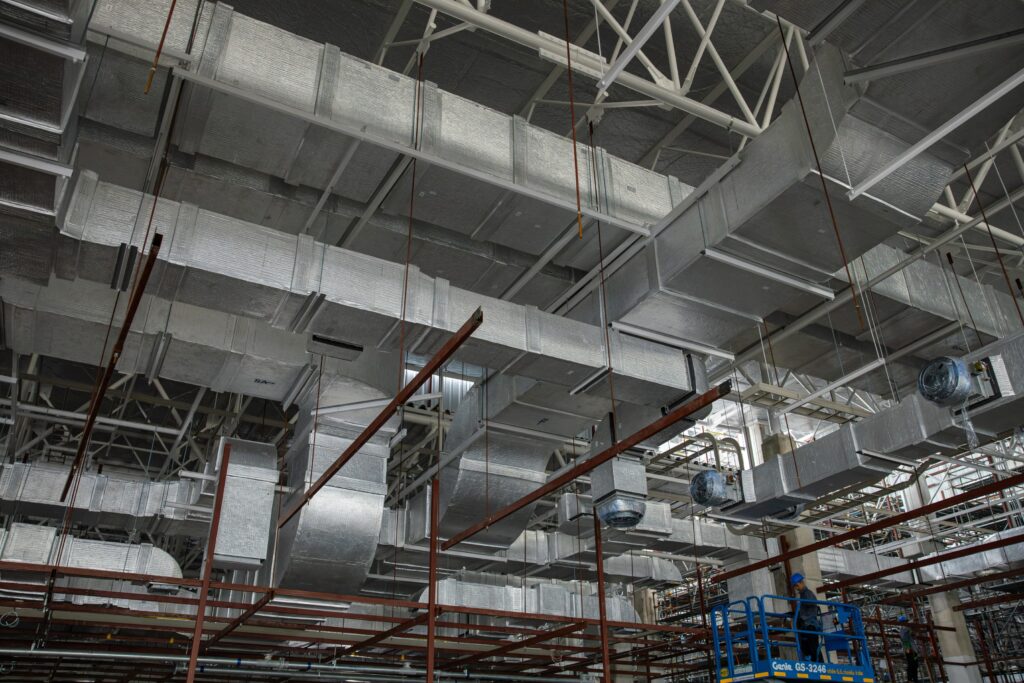
Commercial Building Services Insulation: Reducing Energy Loss, Carbon Emissions and Costs
In commercial buildings, a significant amount of energy loss occurs through mechanical and HVAC services rather than the building…
How to Prevent Condensation and Corrosion Under Insulation (CUI)
Corrosion Under Insulation (CUI) is a well-recognised issue in industrial environments and continues to be a cause of unplanned…
Sustainable Insulation: Reducing Carbon in Building Services
Sustainable insulation materials are an important part of reducing carbon emissions within modern building services. Mechanical and electrical systems…