

Mistakes to Avoid When Insulating Your Pipework
Pipework insulation is a practical measure that offers many benefits in energy savings, freeze protection, condensation control, as well as offering increased fire protection.
This helps to create an improved system performance and serves as an environmentally friendly solution for any commercial building, or industrial. How to go about insulating your pipework to gain these benefits can come with some common pitfalls which we hope to explain how to avoid in this blog, but if you simply want to hand the issue over to an expert, get in touch with our expert team for a free, no-obligation quote.
What are common mistakes people should avoid when insulating pipework?
There are several common mistakes people should avoid when insulating pipework to ensure the insulation is effective and doesn’t lead to additional problems.
Incomplete coverage
Failing to cover the entire length of the pipe will result in thermal bridging where heat can escape from the uninsulated sections – making it much less effective. Complete coverage should engulf the entire length of the pipe and all elbows, valves and other fittings. Poor installation with inadequate fastening methods also compromises the effectiveness of the insulation as it can leave gaps or come away.
Incorrect insulation materials
Using the wrong type of insulation material for the specific application can lead to inefficiencies. You will need to consider temperature ranges, moisture resistance and the type of fluid in the pipes to ensure selecting the correct type of material. If you’re concerned about getting the right materials, why not get in touch with our expert team for advice?
Not considering accessibility
Insulating pipes in hard-to-reach or concealed areas without considering future maintenance needs can cause future problems. Ensure insulation is accessible for inspections, repairs or replacements without causing major disruptions.
Neglecting condensation control
Insufficient thought about controlling condensation can lead to moisture-related issues such as corrosion and mould growth. Insulation with vapour barriers needs to be used in appropriate situations to prevent condensation build up.
Not consulting with professionals
In complex situations such as industrial settings or where a system is particularly complex, it’s vital to consult with professionals such as engineers or insulation specialists, such as our team at Thermal Clad, who can provide informed and specialist advice on the most suitable materials and methods for specific applications.
Who should consider insulating their pipework?
Insulating pipework is beneficial for almost everyone. Property owners can benefit from pipe insulation as it improves energy efficiency, whilst preventing the risk of pipes freezing in winter and enhancing the overall comfort of residents.
Commercial and industrial facilities as well as those who manage properties for organisations such as healthcare, education and those in agriculture who use water pipes for irrigation and other purposes where insulation will prevent freezing or burst pipes as well as improving energy efficiency and consumption.
Types of Thermal Insulation
There are different types of thermal insulation to choose from and the right selection will depend on the type of building you are looking to insulate the pipework of, as well as your budget and what you’re trying to achieve with insulating your pipework.
- Nitrile: Nitrile pipe insulation is made from closed-cell foam which is then surrounded by a flexible elastomeric jacket – which provides low thermal conductivity and a built-in vapour barrier to protect against heat loss and condensation.
- Mineral Wool: Made from mineral fibres, mineral wool is either rock wool, made from basalt, or glass wool from recycled glass and sand. It has high resistance and durability and is a popular choice for insulating large areas of space. Specialist types of mineral wool such as Rockwool Fire Pro products are specially designed for applications that need higher levels of fire resistance and are suitable for fire rated ductwork systems.
- Fibreglass insulation: Fibreglass has been widely used for a long time and is probably one of the most commonly used insulation materials across a wide range of industries and sectors. It is made by weaving fine strands of glass into the material and as it minimises heat transfer as well as being non-flammable, it is popular for its thermal efficiency, versatility and cost-effectiveness.
- Phenolic foam: This is one of the best thermal insulation materials for piping. It is manufactured by a process whereby a wet foam mix is added directly to the bottom layer of the facing causing it to expand to meet the top layer. It is then heated and cured before being cut to size and packaged up. Popular for use in the insulation of pipework, tanks and vessels, it has amazing thermal performance, moisture resistance and strength.
How can we be sure of getting the right type of insulation?
Whilst there are many types of thermal insulation, you can be certain the experts at Thermal Clad will know the right application for your needs. For your unique situation and environment, get in touch with the experts at Thermal Clad today for advice and a free, no-obligation quote for all your thermal insulation requirements, call us on 01827 2359972 or email us at enquiries@thermal-clad.co.uk.
Expert Guides
Our goal at Thermal Clad is to not only provide our customers with the finest service possible but also to keep them informed about new products and industry trends.
Please feel free to check out some of our expert insulation guides below:
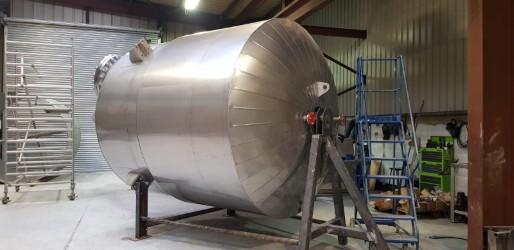
When Do Commercial Tanks and Vessels Need Insulation?
Industrial tank insulation is used where a tank or vessel needs help controlling heat transfer, maintaining a required temperature,…
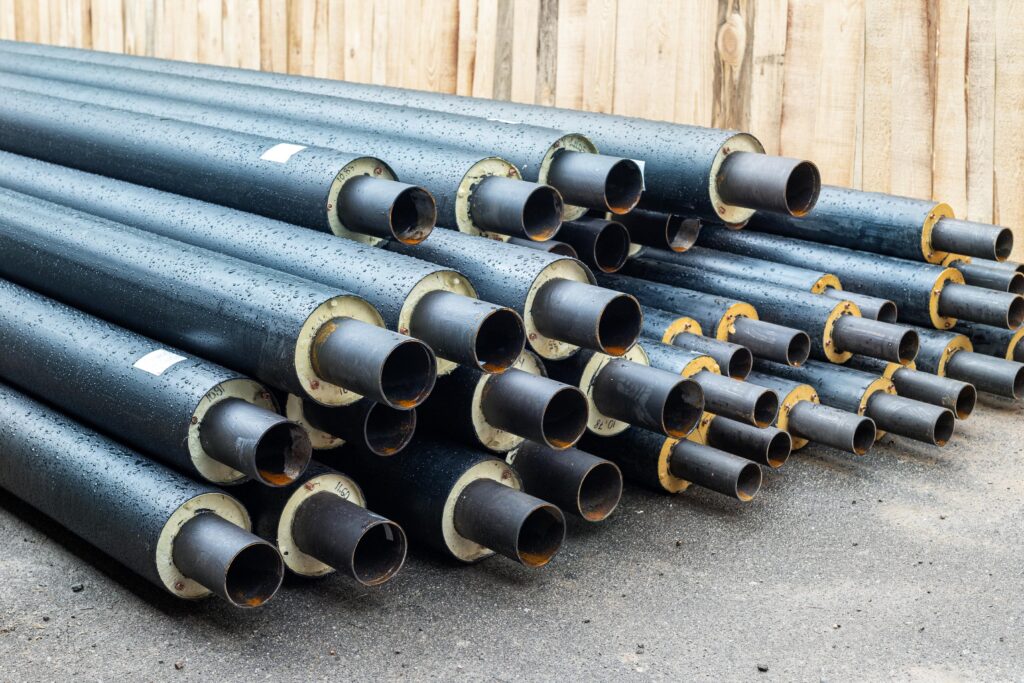
Pipe Insulation Standards: What Should a Compliant Contractor Provide?
Pipe insulation standards are not only about choosing a material and wrapping a pipe. On commercial and industrial projects,…
How Poor Pipework Insulation Increases Heat Loss and Energy Costs
Pipework carries heated water, steam and other fluids throughout commercial and industrial buildings. When it is left bare, inadequately…
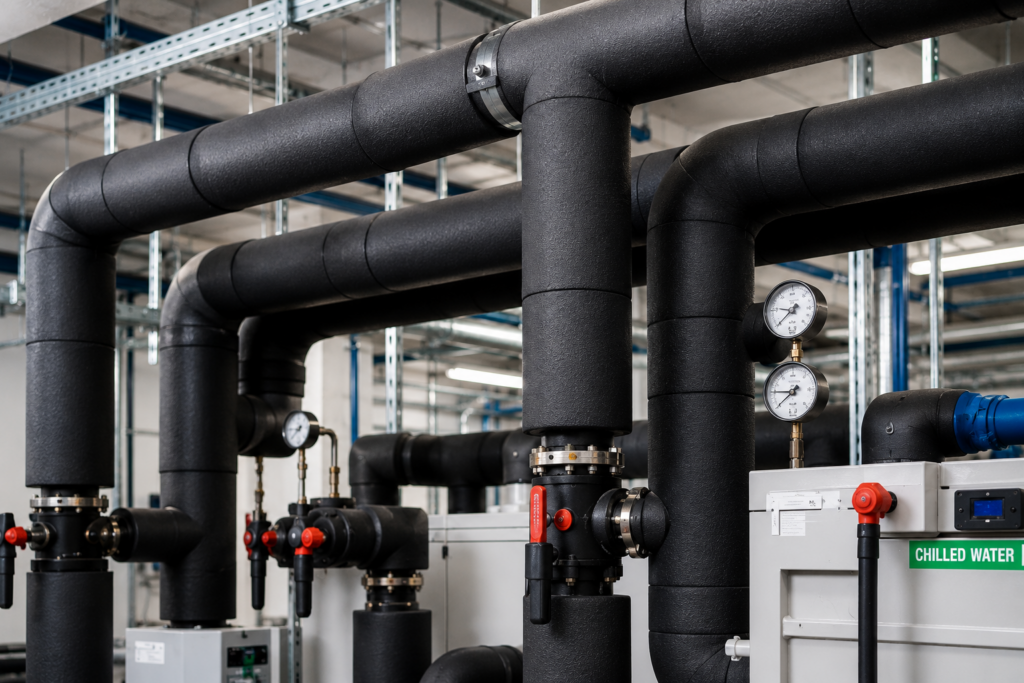
Where Is Acoustic Insulation Most Needed in Commercial and Industrial Building Services?
Unwanted noise is a common challenge in commercial and industrial buildings, affecting everything from occupant comfort and productivity to…
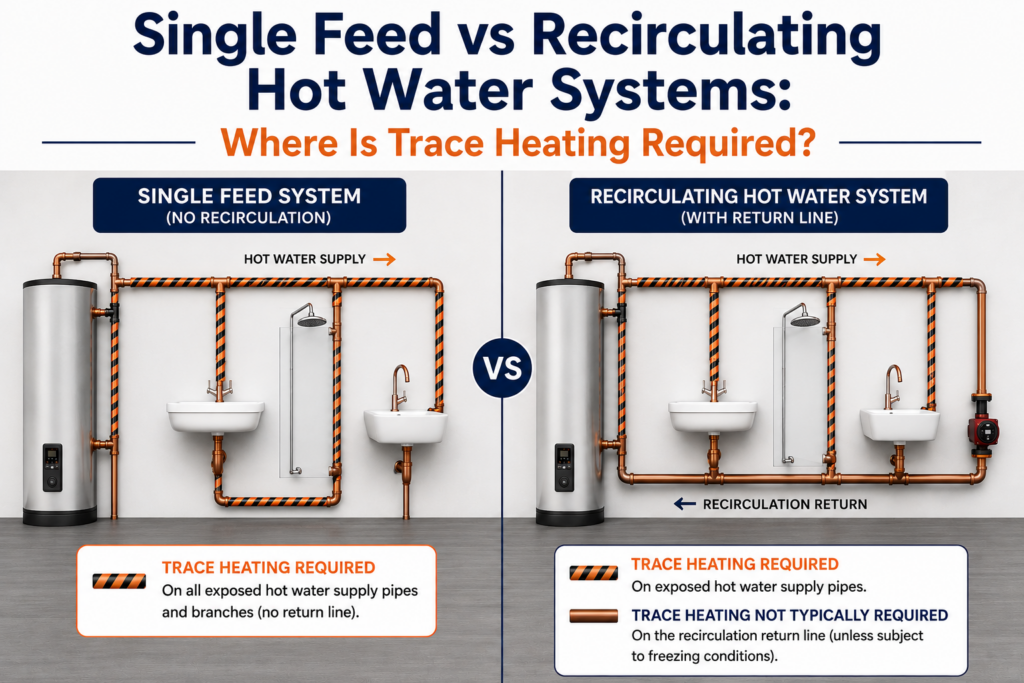
Single Feed vs Recirculating Hot Water Systems: Where Is Trace Heating Required?
Hot water systems are a vital part of commercial and industrial buildings, particularly where fast delivery, temperature control, and…
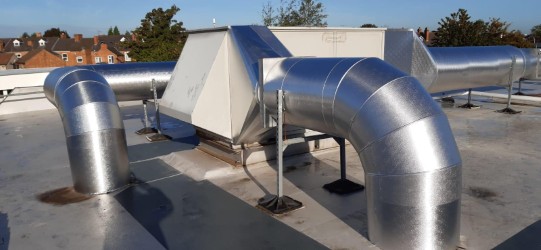
When Should You Use Weatherproof Jacketing on External Pipework and Ductwork?
External pipework and ductwork are constantly exposed to harsh environmental conditions, including freezing temperatures and heavy rain, as well…
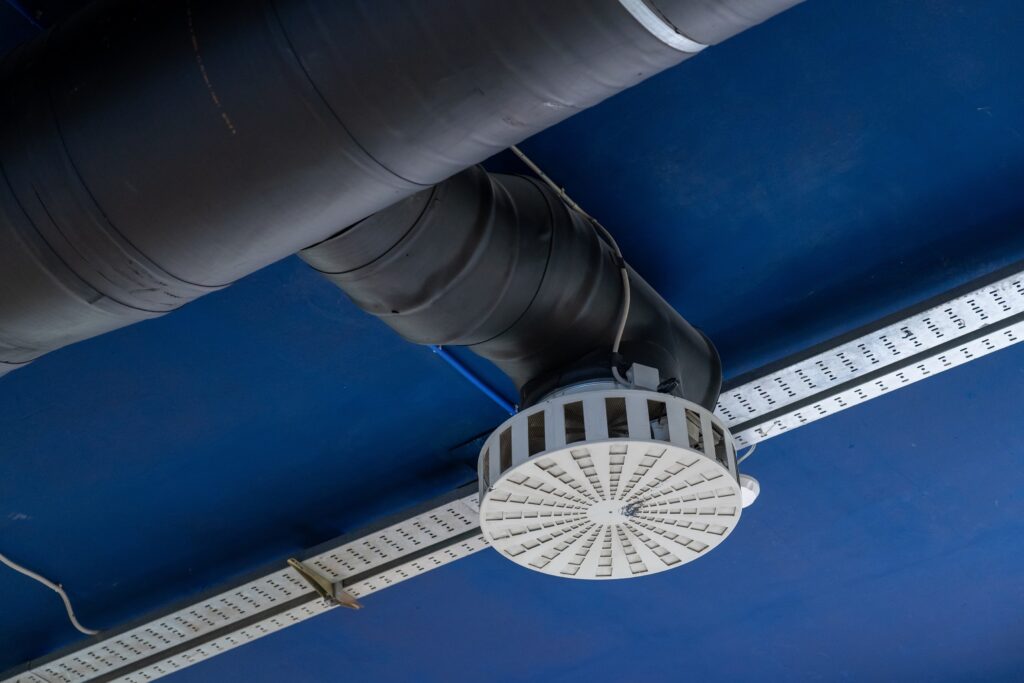
Black and Colour-Finished Insulation Systems for Exposed HVAC Services
Modern commercial and industrial buildings increasingly leave ductwork and pipes exposed as part of the architectural concept. In offices,…

Insulation Solutions for Exposed Pipework and Ductwork in Commercial Interiors
In commercial and industrial buildings, exposed pipework and ductwork form a critical part of the mechanical infrastructure that supports…

Insulating Exposed Ductwork: Options, Aesthetics, and Performance
Key Takeaways This guide outlines the main insulation methods, planning considerations, and aesthetic requirements raised by facilities managers, contractors,…
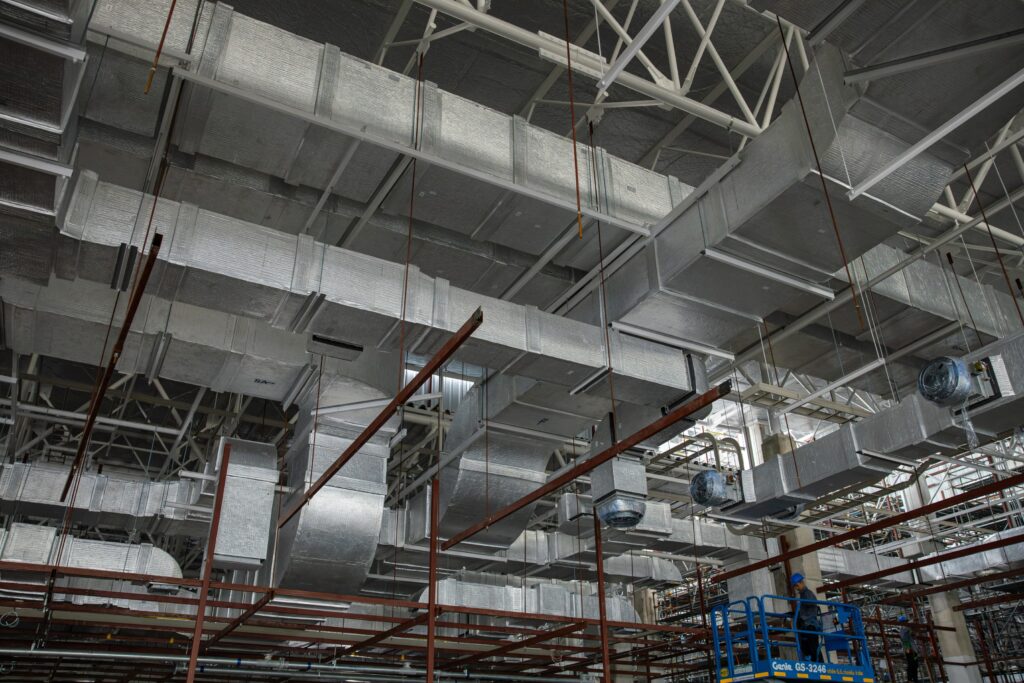
Commercial Building Services Insulation: Reducing Energy Loss, Carbon Emissions and Costs
In commercial buildings, a significant amount of energy loss occurs through mechanical and HVAC services rather than the building…